by Farley Webmaster | Jul 19, 2017
Understanding a home’s true market value is about more than pictures, software assessments and price-per-square-foot. Whether you’re a current homeowner thinking of selling or are house-hunting, it’s crucial you understand what factors affect home valuation. By partnering with a local market expert, sellers will avoid pricing their house out of the market (the kiss of death in real estate) and buyers will ensure they get a good deal on their next home.
So, how do you accurately calculate a home’s value? After all, the value a home is assigned by its town or county and the one it’s given when it’s listed are often dramatically different from one another. Which one is accurate and what does it all mean? Read on to learn more.
Assessed Value vs Market Value: What’s the difference?
When it comes to home value, you’ll often hear two terms, assessed value and market value.
A home’s assessed value is often the lower number of the two, and is the value given by your municipality or county. Investopedia defines assessed value as “the dollar value assigned to a property to measure applicable taxes.”1 Although property tax laws vary, assessors commonly arrive at this number by taking into account the following:
- What comparable/similar homes are selling for in your area.
- The value of recent improvements.
- Income from renting out a room or space on the property.
- How much it would cost to rebuild on the property.
A home’s market value, or Fair Market Value, is the price a buyer is willing to pay or a seller is willing to accept for a property. A skilled real estate professional will arrive at the value using a variety of metrics, including:
- External characteristics, such as lot size, home style, the condition of the home and curb appeal.
- Internal characteristics, such as the number of rooms and their size, the type and condition of the heating or HVAC system, the quality and condition of construction, the flow of the home, etc.
- The sales price of comparable homes that have sold in your area.
- Supply and demand; that is, how many buyers and sellers are in the area.
- Location; that is, the quality and desirability of your neighborhood and other community amenities.
Why are these values often so different? An assessor usually estimates your property’s market value during a reassessment or if you make a physical change or improvement to it.2 As a result, a property may not be reassessed for many years. While your home’s market value may fluctuate with the market, your home’s assessed value is more likely to remain steady.3
What Determines a Home’s Value?
You’ve likely heard the motto of real estate: “Location, location, location.” This means a home’s value relies on its location. While the home and structures on the property will likely depreciate over time, the land beneath it tends to appreciate. Why? Land is in limited supply and a growing population puts increased demand on the housing supply. As a result, values increase.4
Other factors that affect your home’s value include the function and appearance of the property, how well the home and other structures are maintained and whether the home is a lifestyle property, such as a ranch style with mountain views or beach bungalow.
Ultimately, the best indication of a home’s value is the overall supply and demand of the market. This is why we recommend you partner with a real estate professional who takes all of these factors—the assessed value, local market conditions, home features and has physically walked through and experienced your home— into consideration to determine the most accurate market value.
How to determine if a property is comparable to yours.
Both assessed value and market value are partially determined by the sales price of similar, or comparable, homes in the area. To determine if a home is comparable to yours, look for the following characteristics:
- Lot size
- Square footage
- Home style or similar architecture
- Age
- Location
While you may not find a home with the same exact characteristics as yours, you’ll likely find a few that are close. To account for any disparity, adjust the sales prices of the comparable properties. Look at the differences between your property and the one in question and determine if the differences increased or decreased the sales price and by how much. For example, if your home has two bathrooms and a similar home only has three, estimate how much that extra bathroom increased the sale price of the similar home. The adjusted sale price is the estimation of what the property would sell for if the properties were exactly the same.2
Where can you find comparable sales?
Fortunately, you can find comparable home sales in a variety of places.2
- Your local assessor’s office is able to provide a list of recent sales you can browse and compare or a sales history of a particular house, home style or neighborhood.
- Your municipality. Many cities keep local sales information in their offices or post it online.
- Online databases, such as a real estate database
- Your local newspapers may offer some real estate information in the form of quarterly sales reports in the business or real estate sections of the newspaper.
- Our office. We regularly do Comparable Market Analysis of homes in our local area.
How to calculate your home’s value.
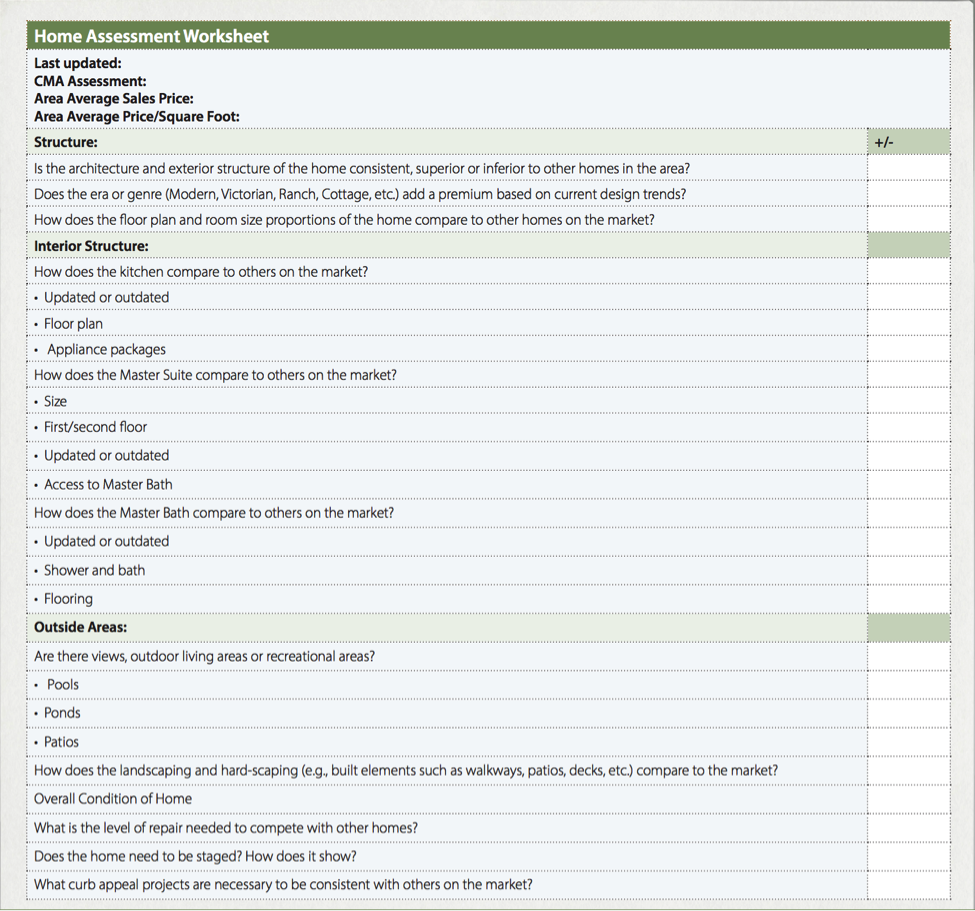
By answering a few questions about your home, property and the local market, you can begin to estimate your property’s value. We’ve also included a worksheet for you below…
Home Value Questions:
When was your home last assessed?
What was its CMA assessment value?
What is your area’s average sales price?
What is your area’s average price/square foot?
Structure:
- Is the architecture and exterior structure of the home consistent, superior or inferior to other homes in the area?
- Does the era or genre (Modern, Victorian, Ranch, Cottage, etc.) add a premium based on current design trends?
- How does the floor plan and room size proportions of the home compare to other homes on the market?
Interior Structure:
- How does the kitchen compare to others on the market?
- Updated or outdated
- Floor plan
- Appliance packages
- How does the Master Suite compare to others on the market?
- Size
- First/second floor
- Updated or outdated
- Access to Master Bath
- How does the Master Bath compare to others on the market?
- Updated or outdated
- Shower and bath
- Flooring
Outside Areas:
- Are there views, outdoor living areas or recreational areas?
- How does the landscaping and hard-scaping compare to the market? (e.g., built elements such as walkways, patios, decks, etc.)
Overall Condition of Home
- What is the level of repair needed to compete with other homes?
- Does the home need to be staged? How does it show?
- What curb appeal projects are necessary to be consistent with others on the market?
Home Assessment Worksheet
If you want to accurately assess a home’s value, it’s crucial to know about the market activity of our local area. We can help! Give us a call at 303-475-6269 to get the scoop on the local market.
Sources:
- Investopedia http://www.investopedia.com/terms/a/assessedvalue.asp
- New York State Department of Taxation and Finance https://www.tax.ny.gov/pubs_and_bulls/orpts/mv_estimates.htm
- Realtor.com http://www.realtor.com/advice/sell/assessed-value-vs-market-value-difference/
- Investopedia, http://www.investopedia.com/articles/mortgages-real-estate/08/housing-appreciation.asp?lgl=myfinance-layout
SaveSave
SaveSave
by Farley Webmaster | Jul 13, 2017
 NEW LISTING
$265,000
Hearthwood 1 Amd Subdivision
IRES MLS # 825464
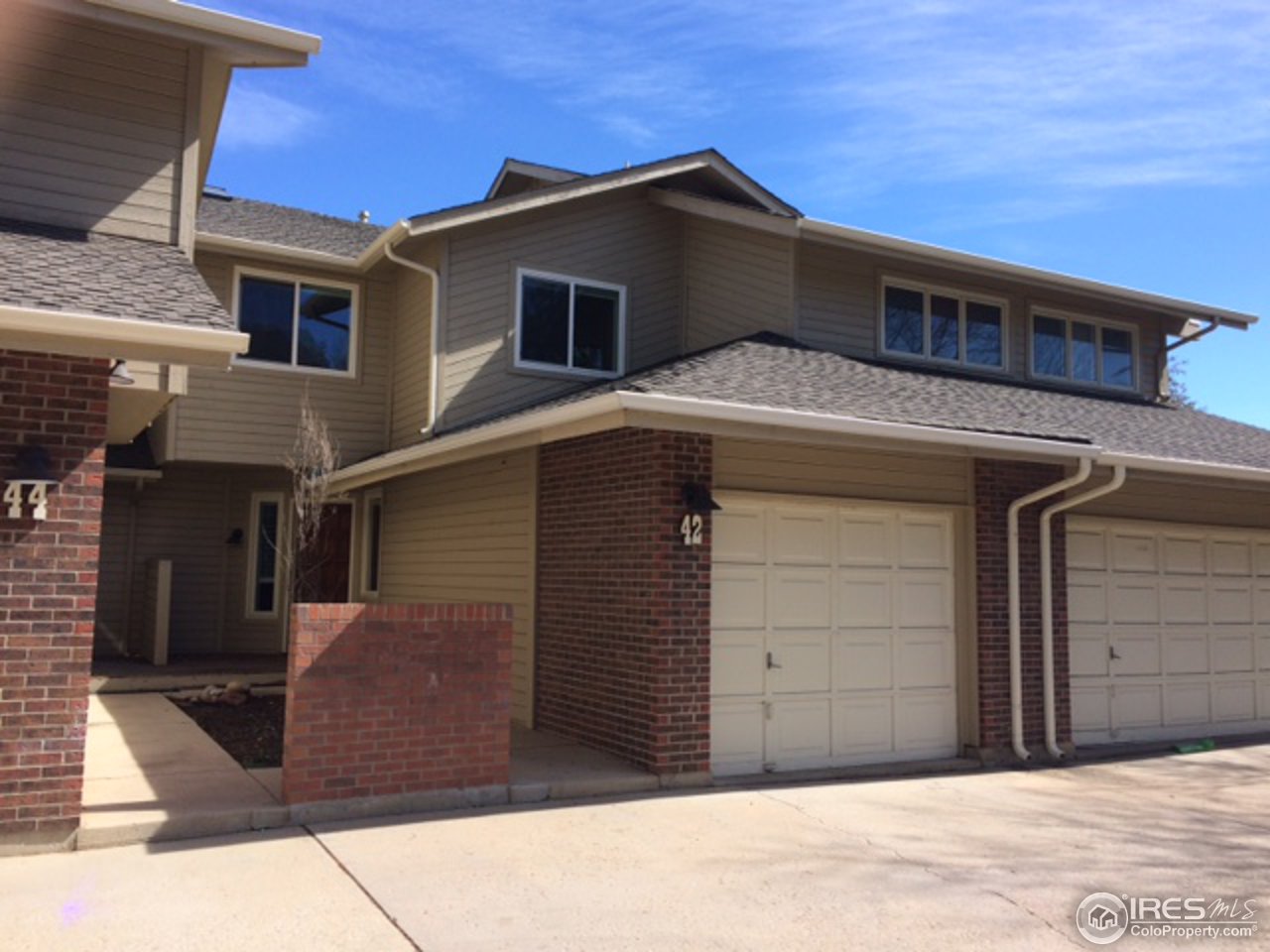
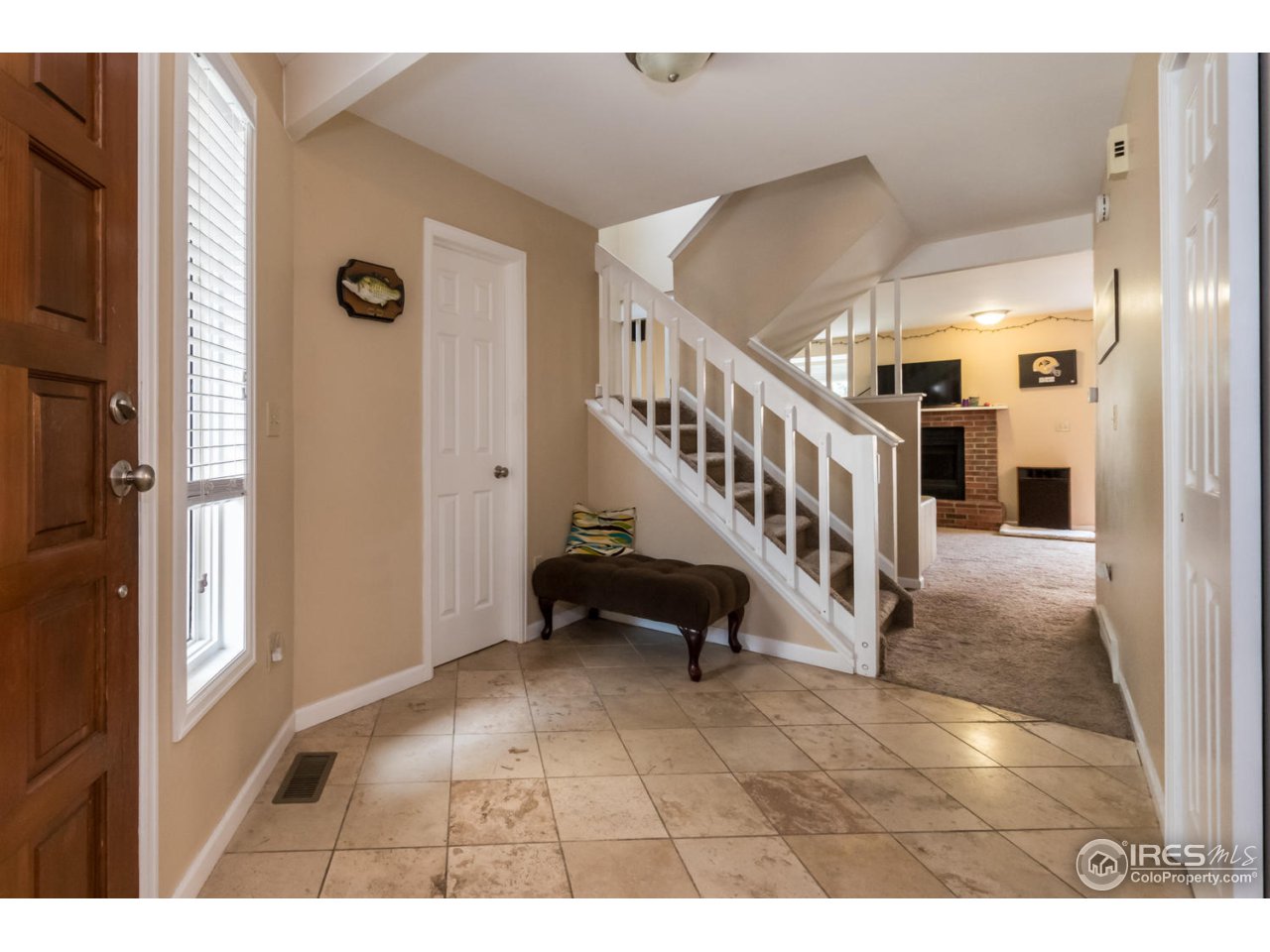
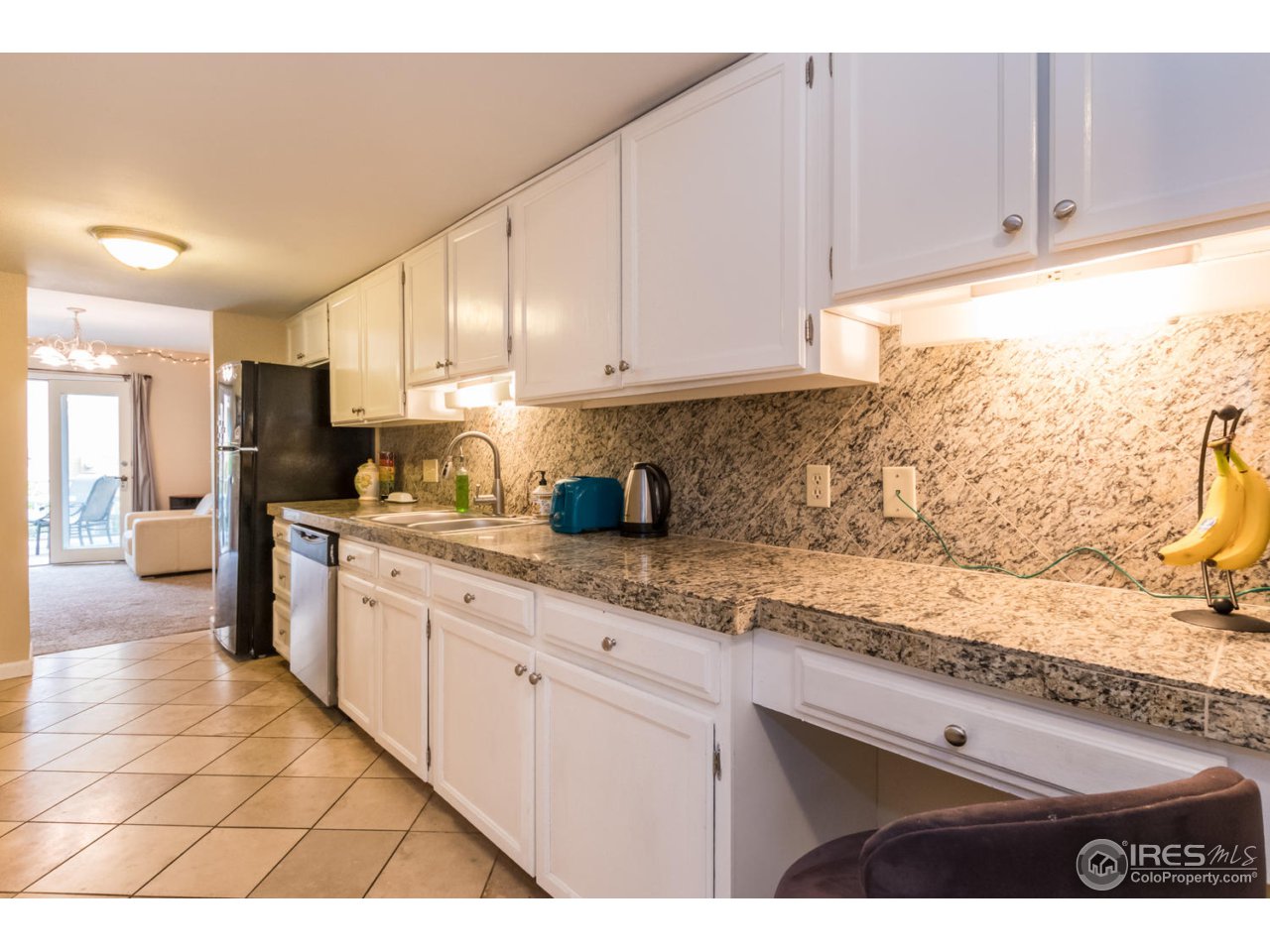
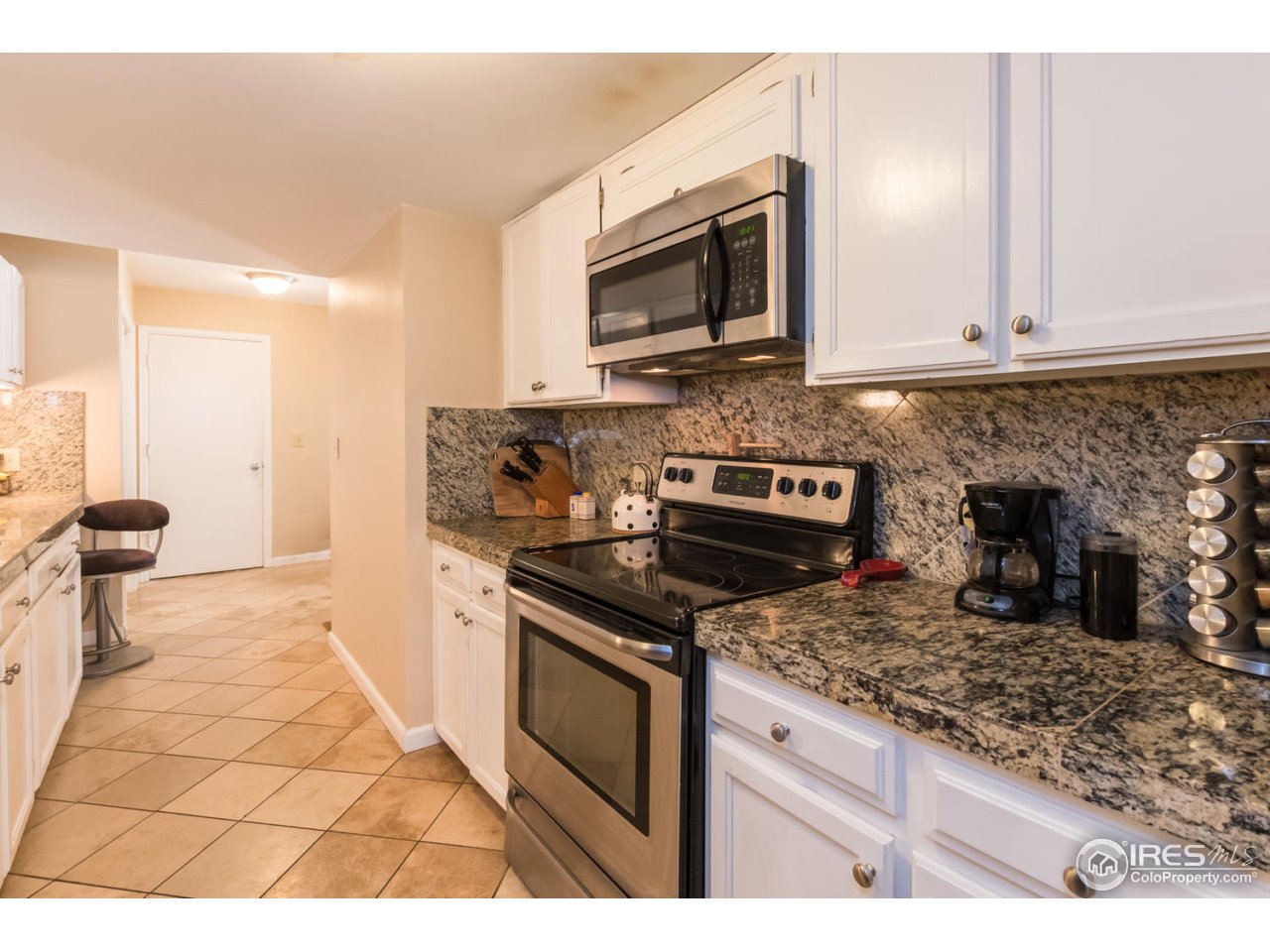
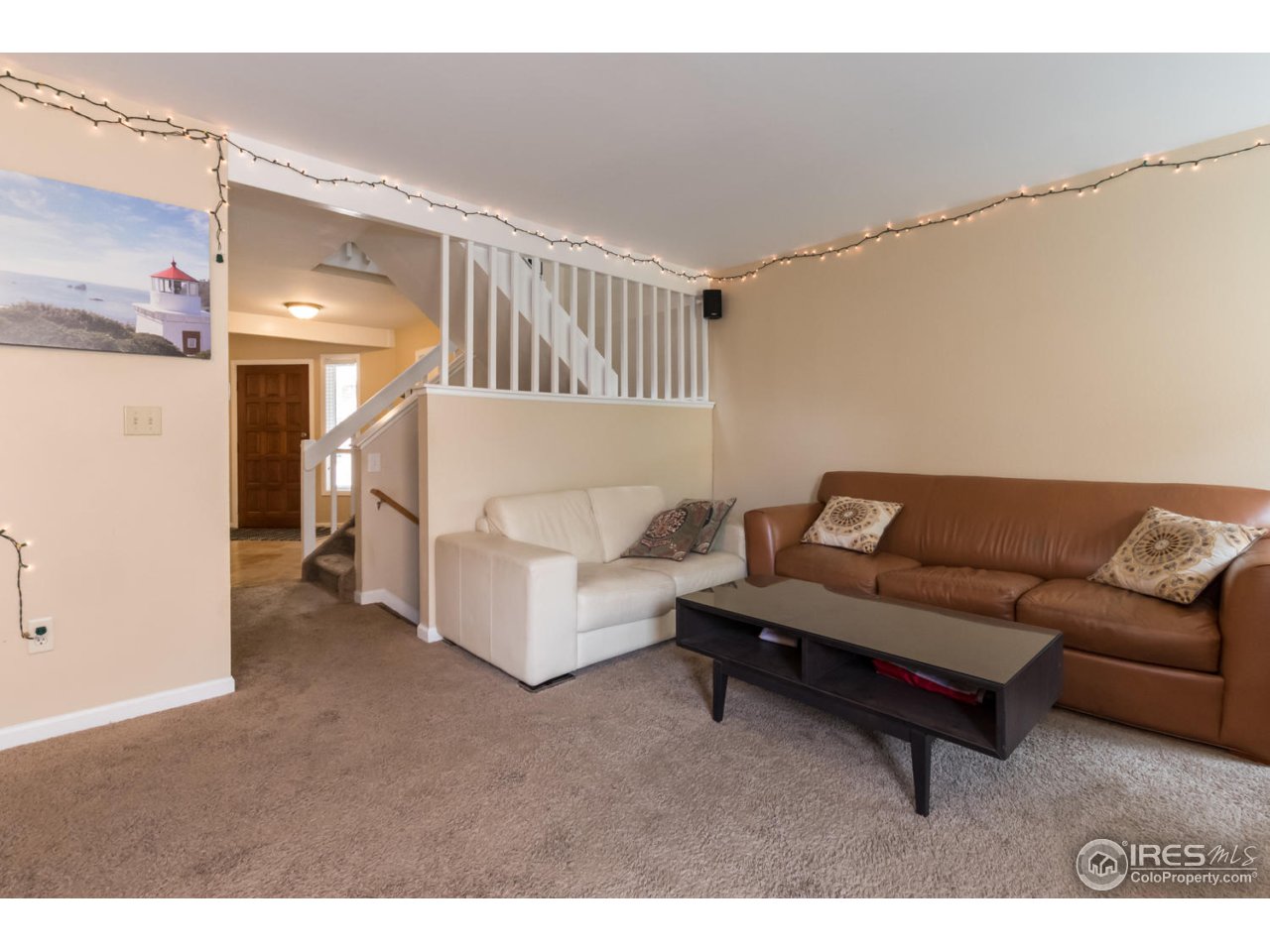
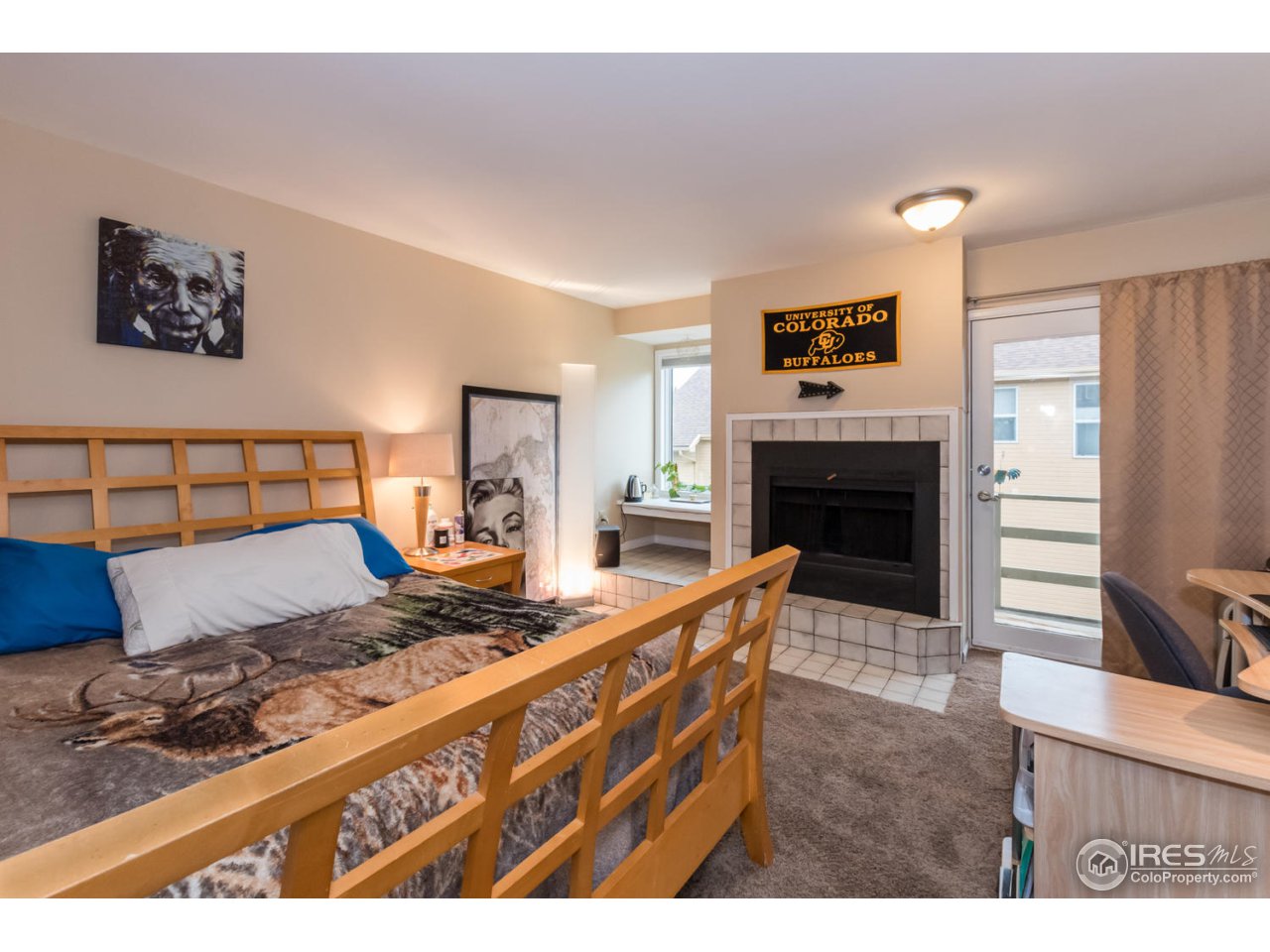
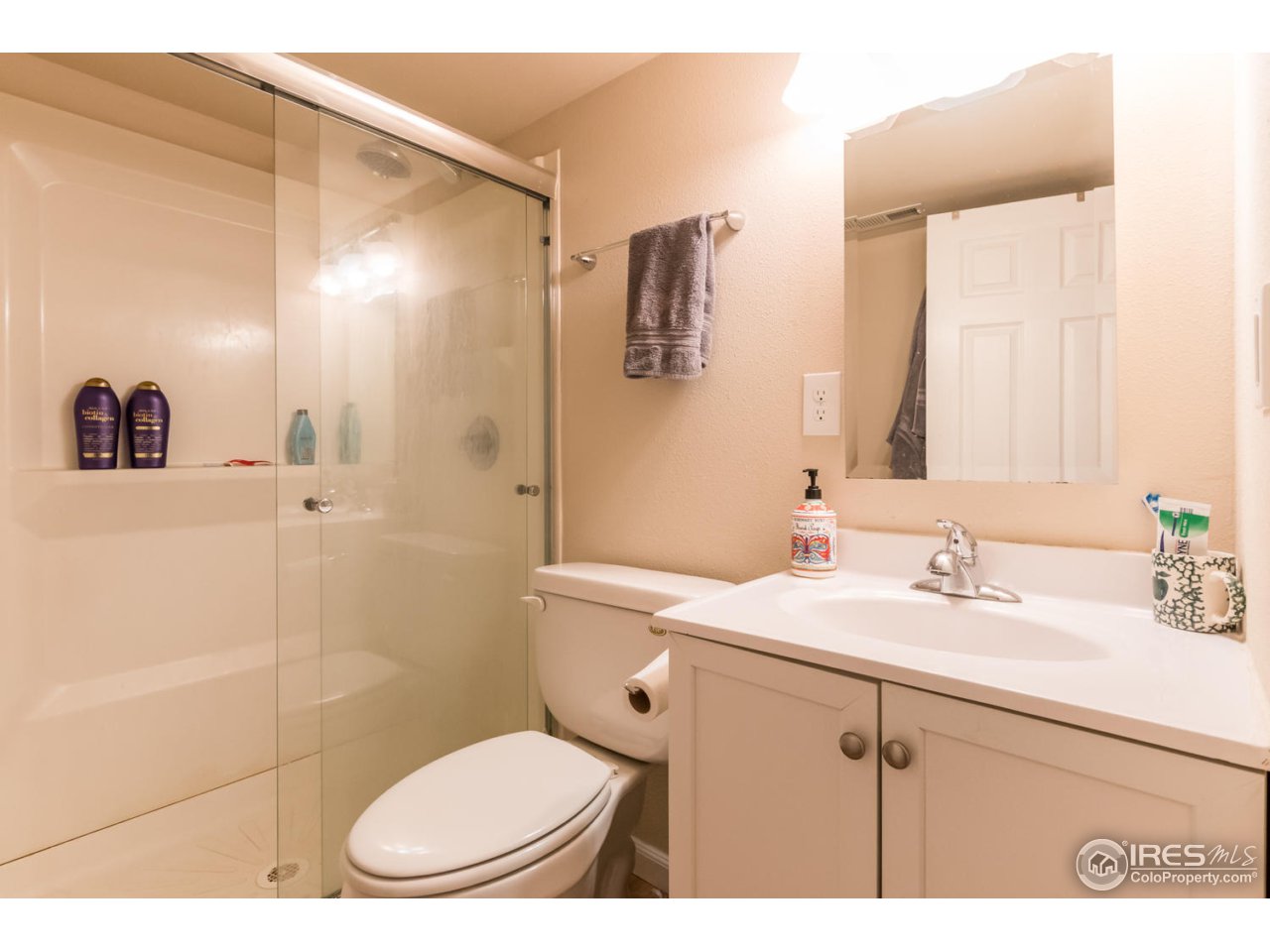
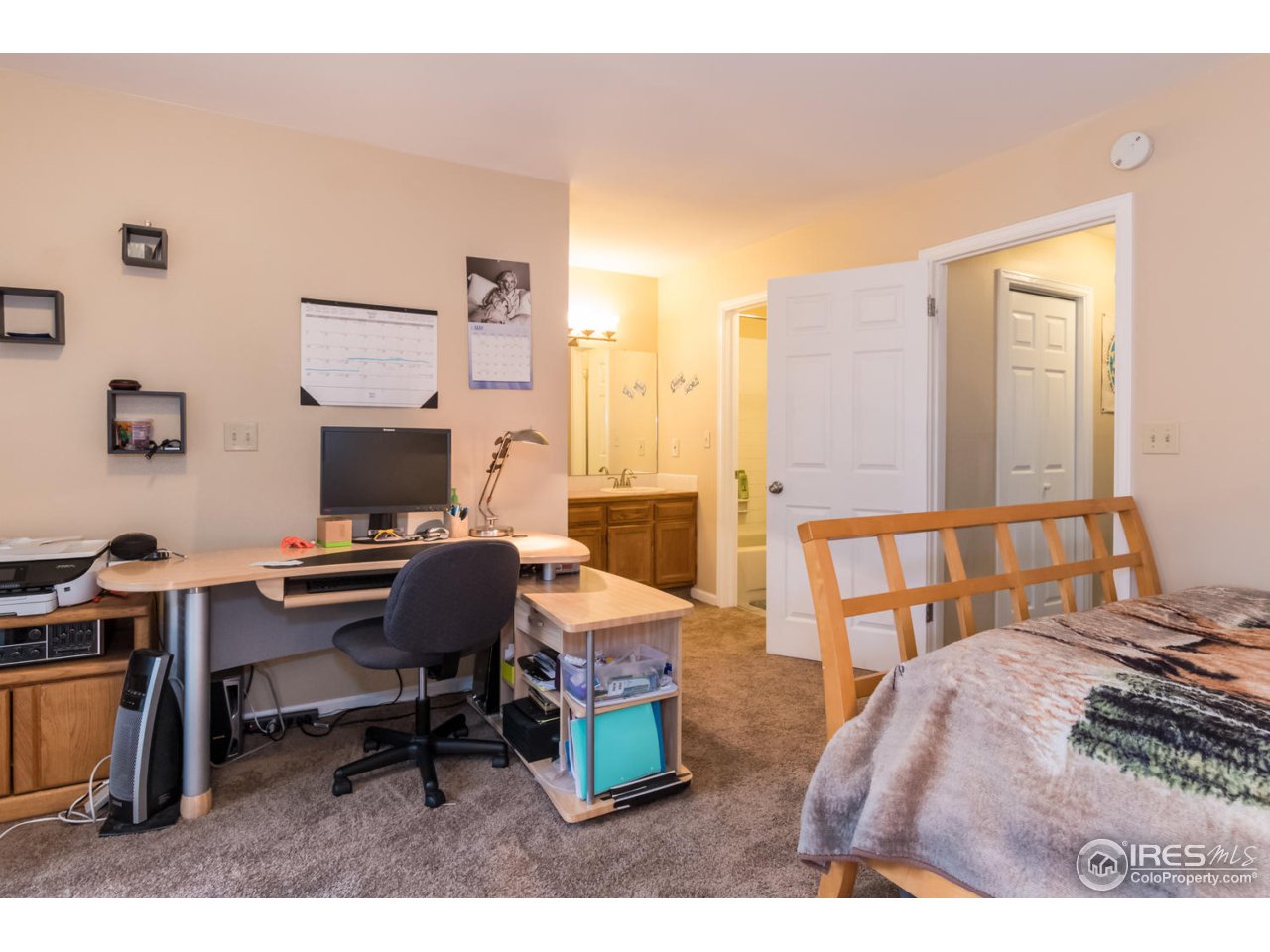
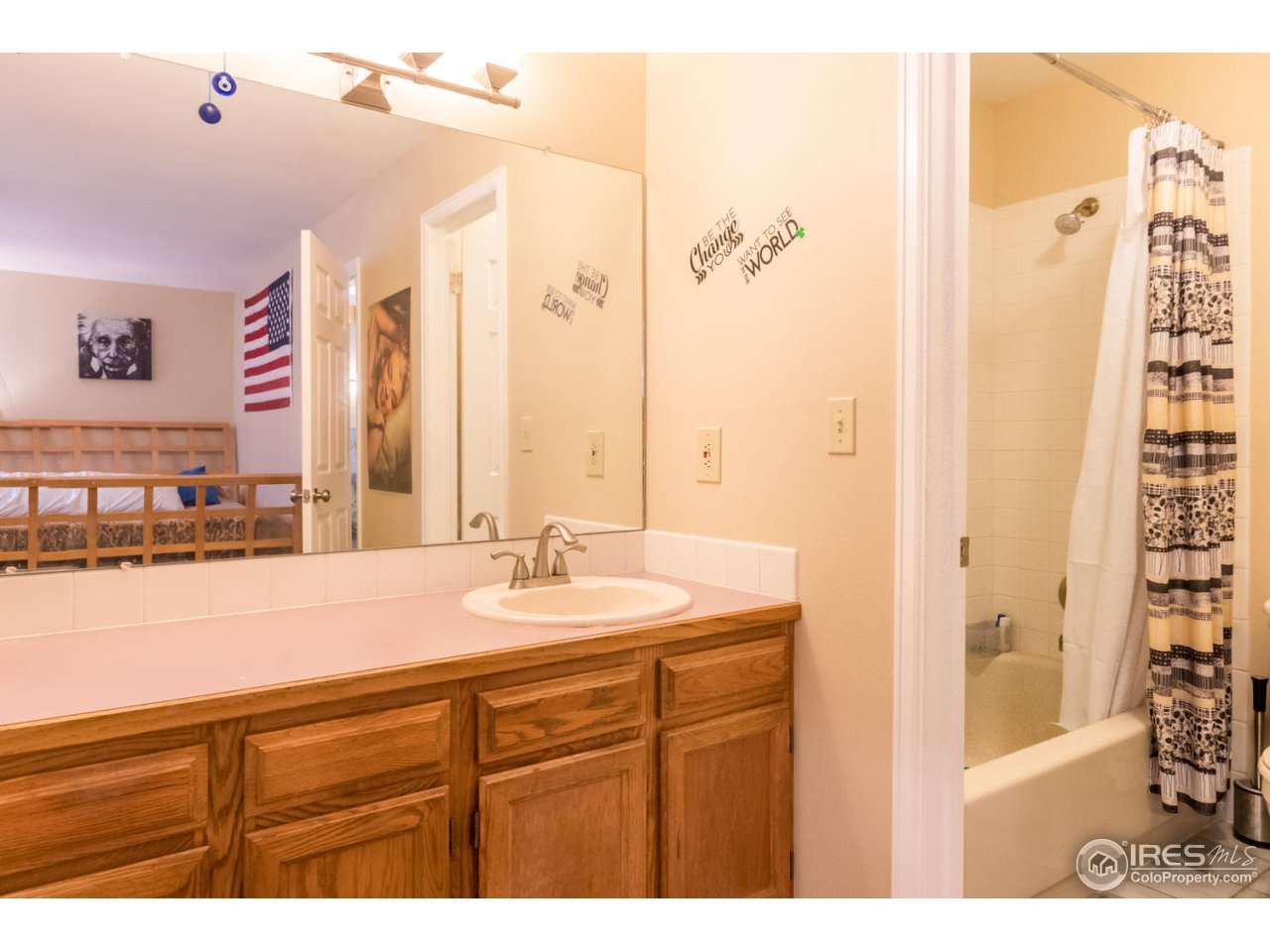
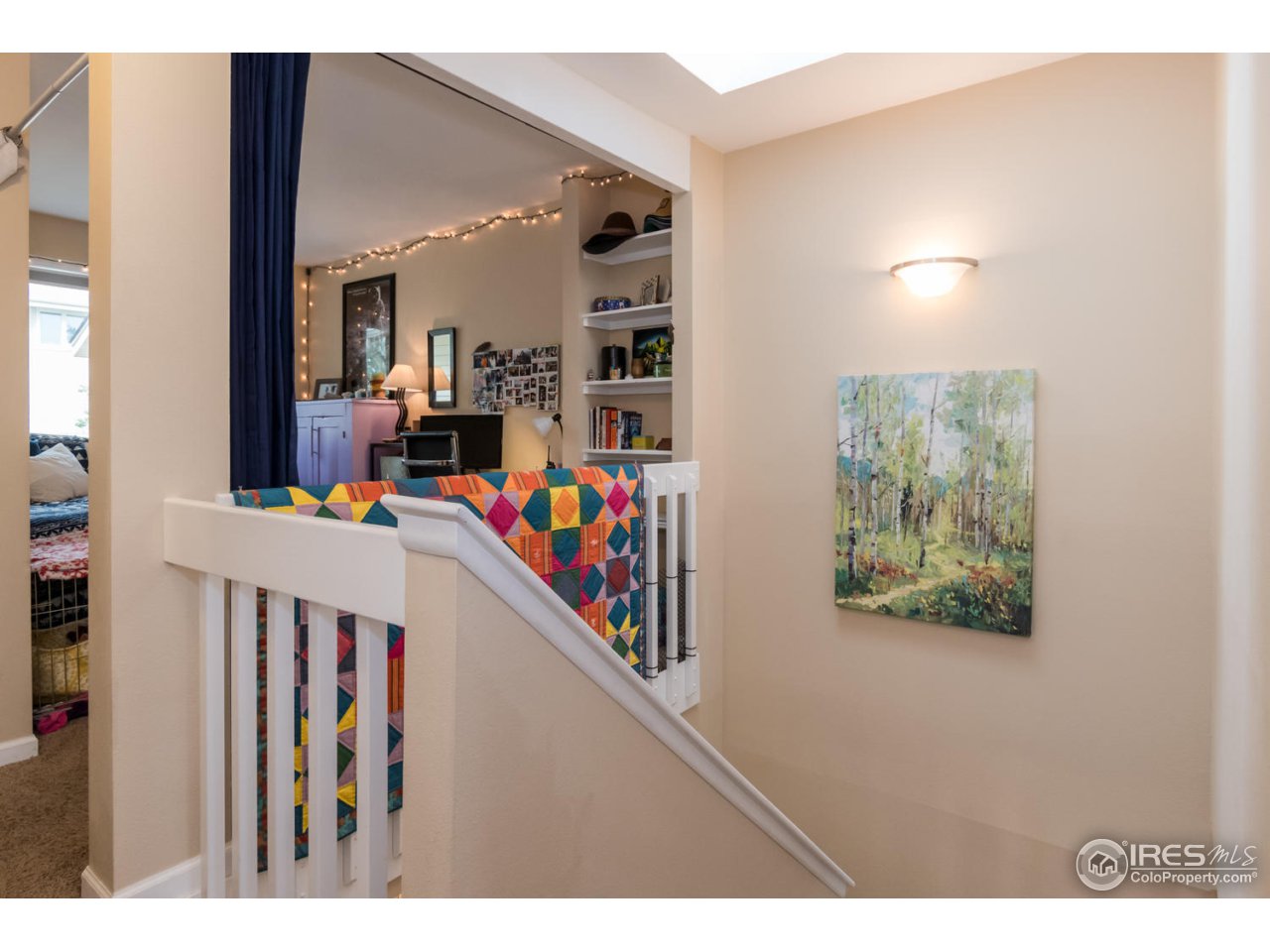
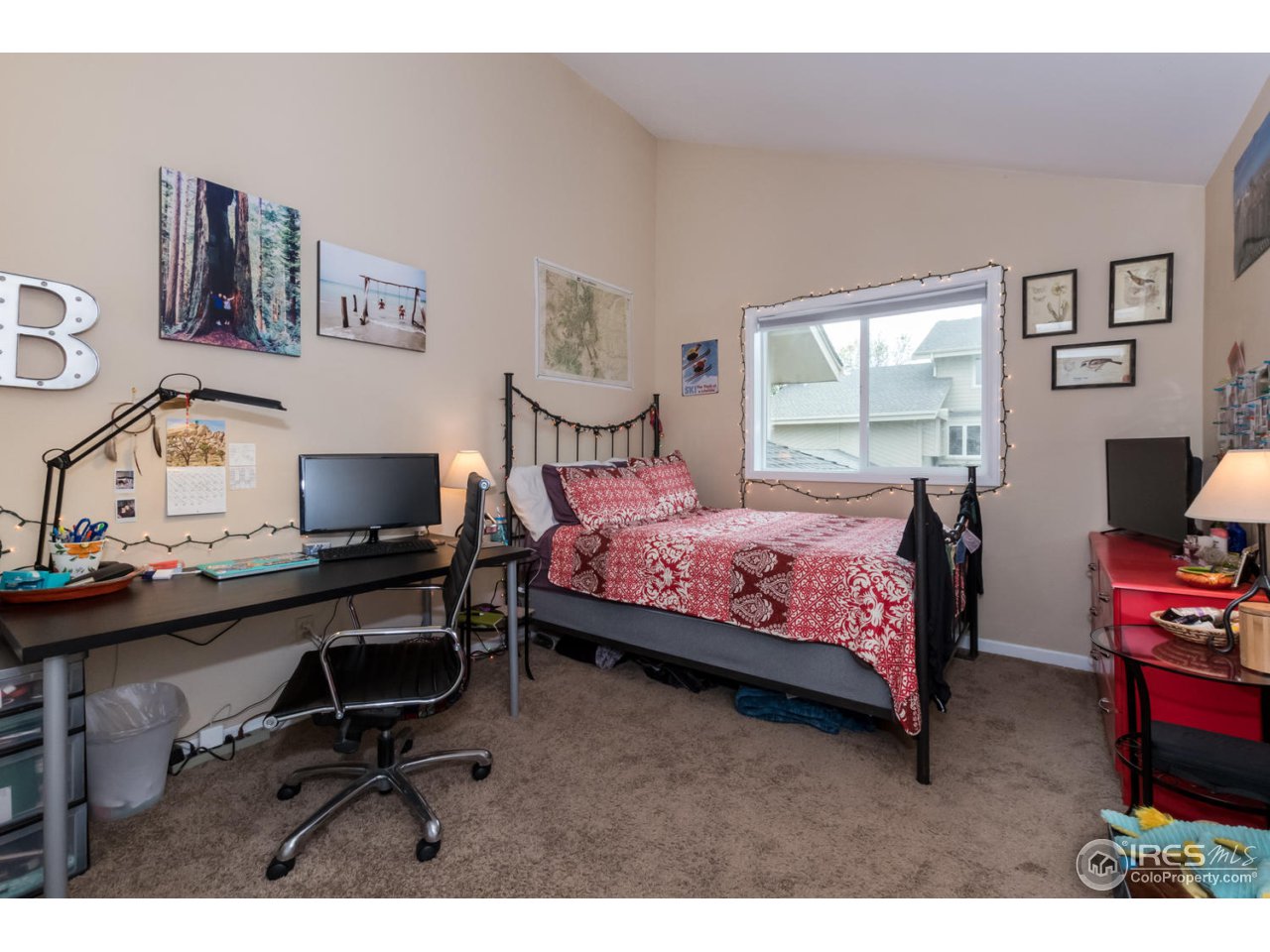
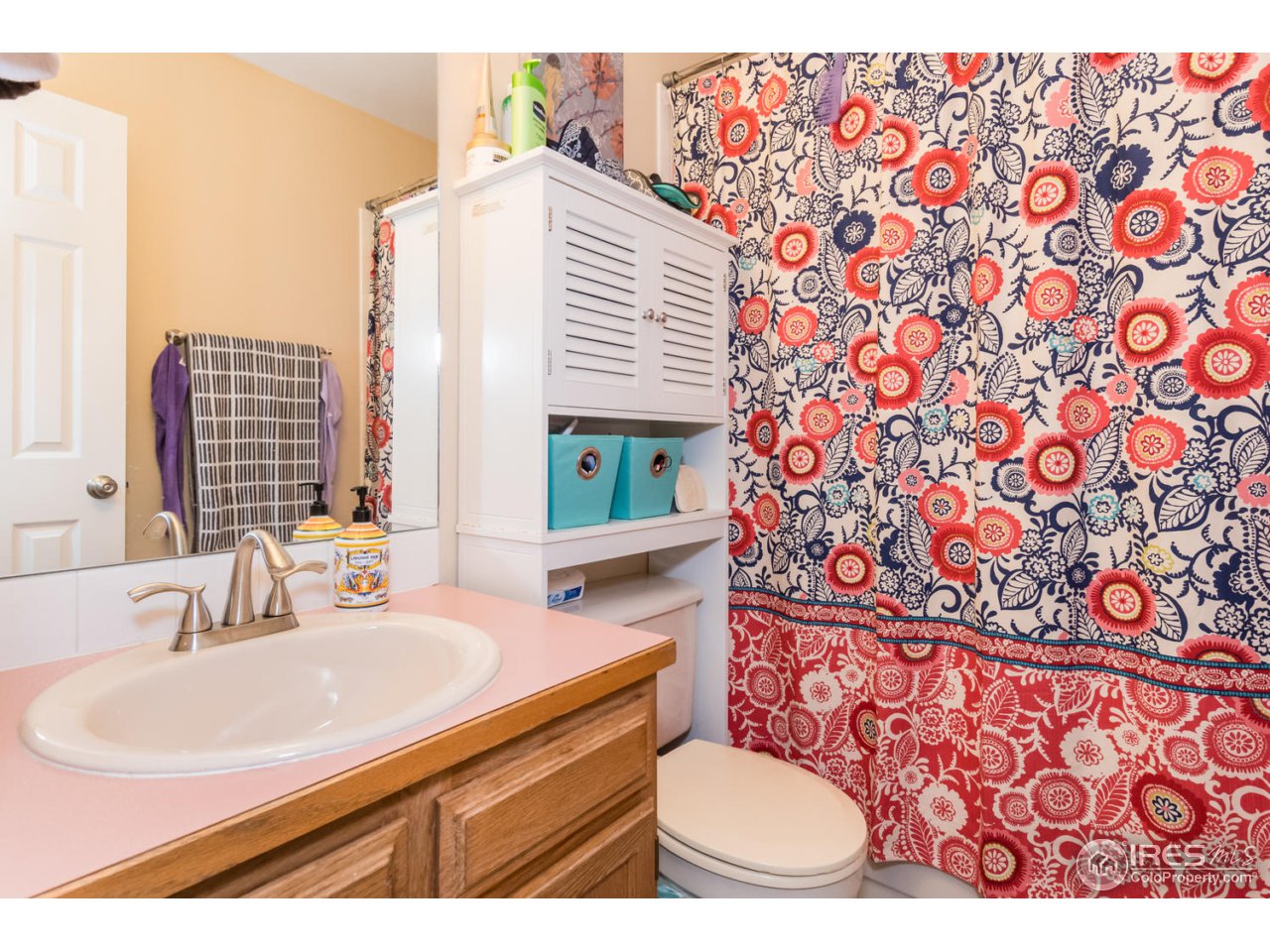
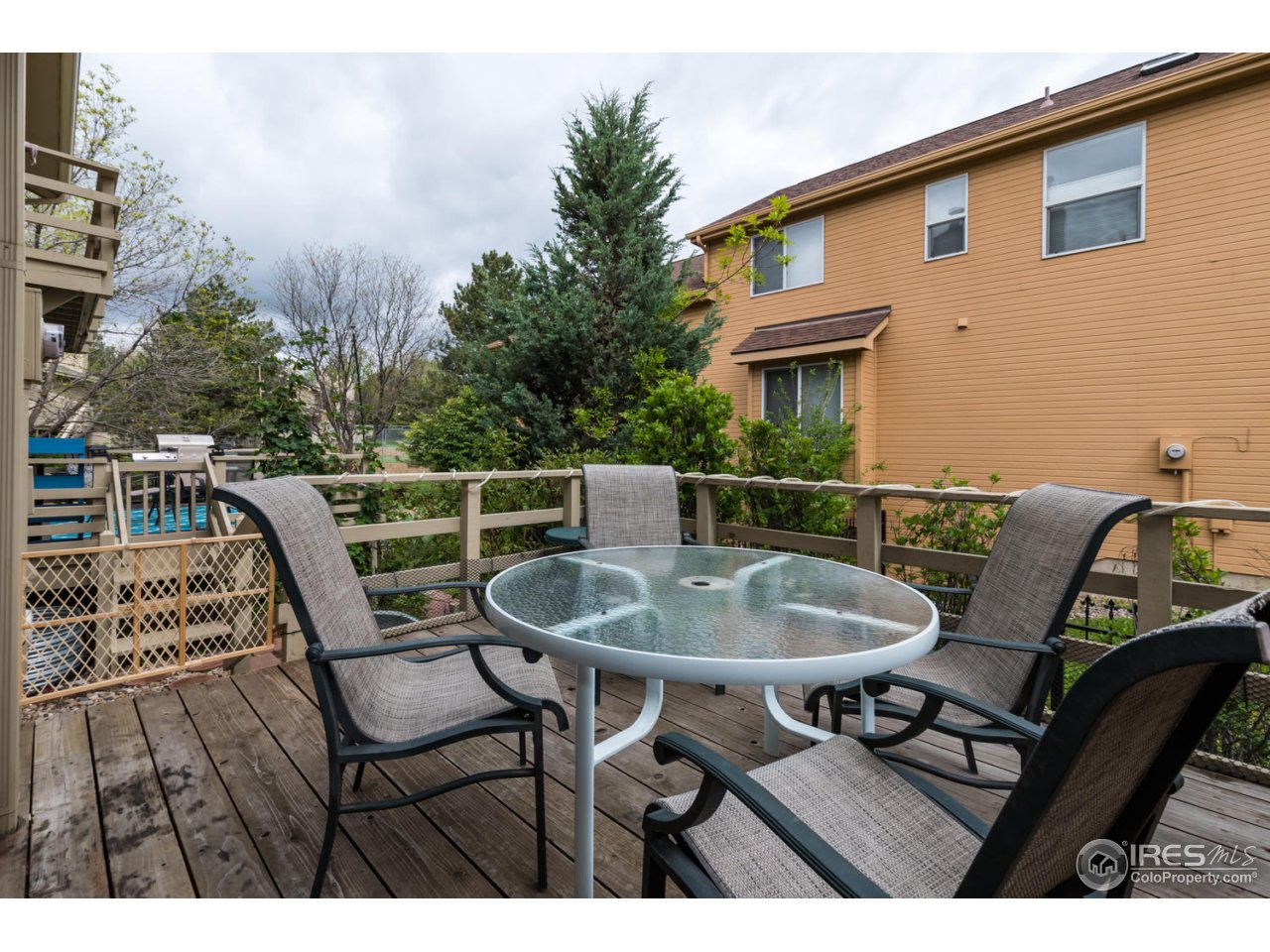
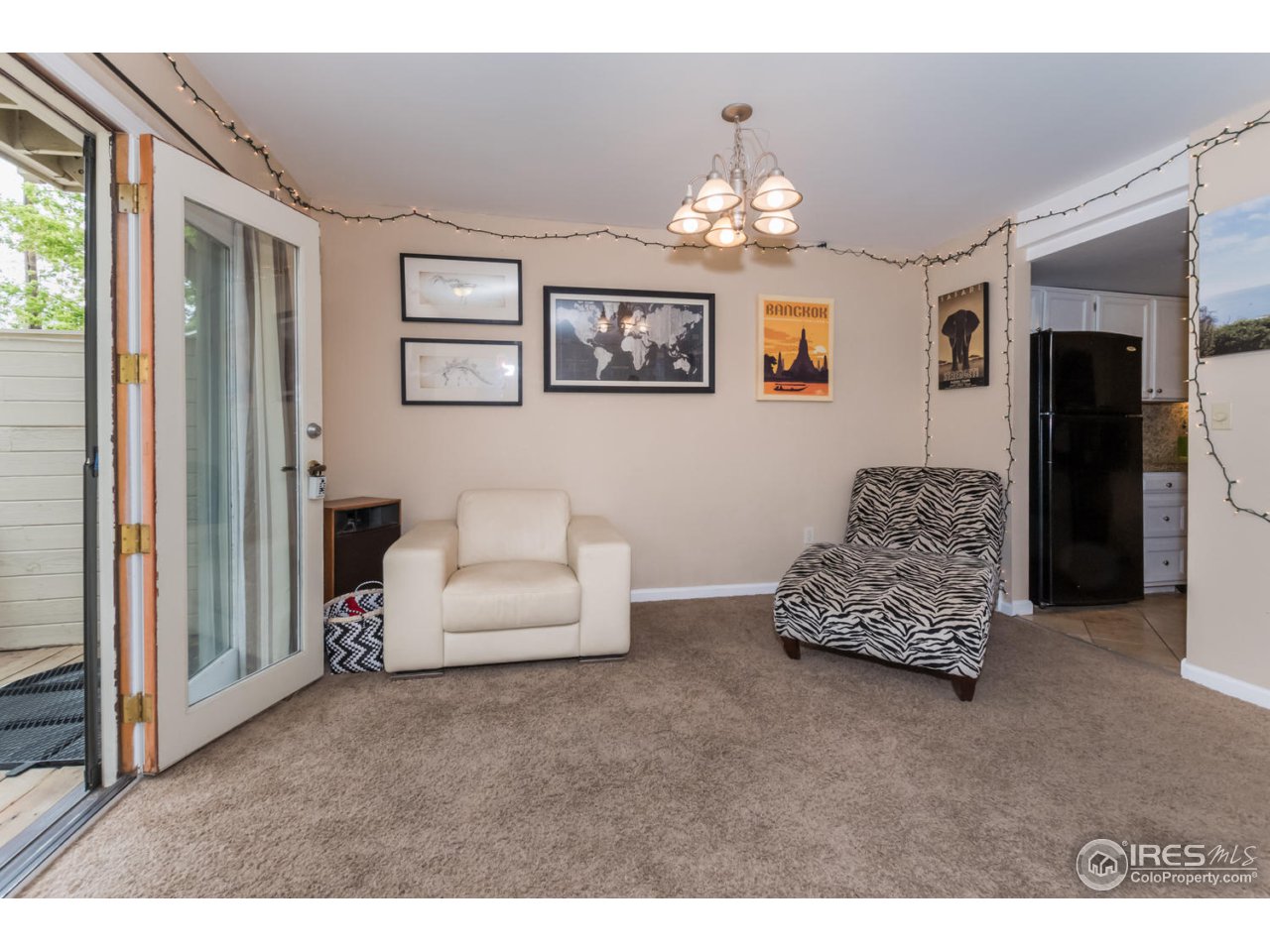
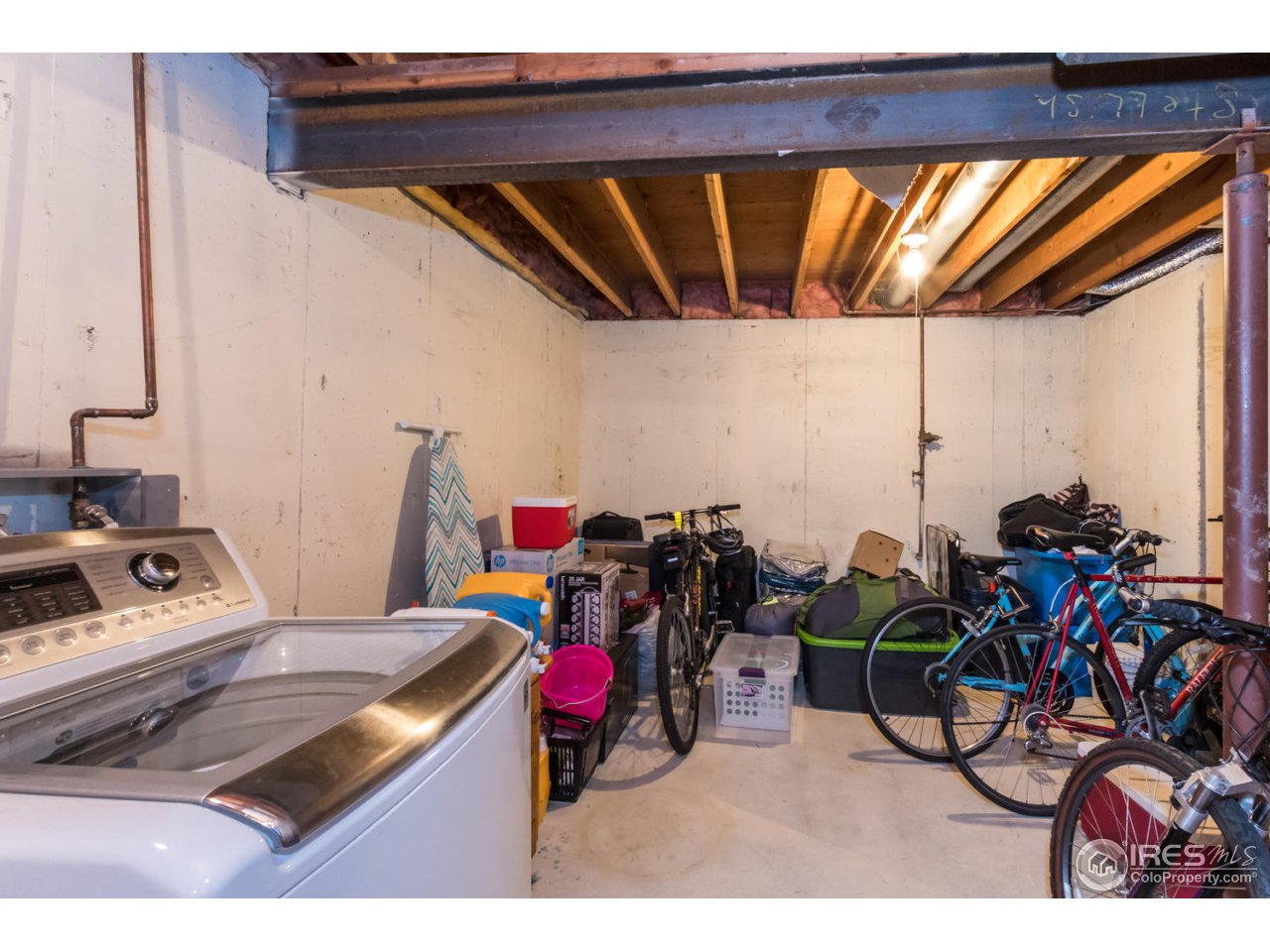
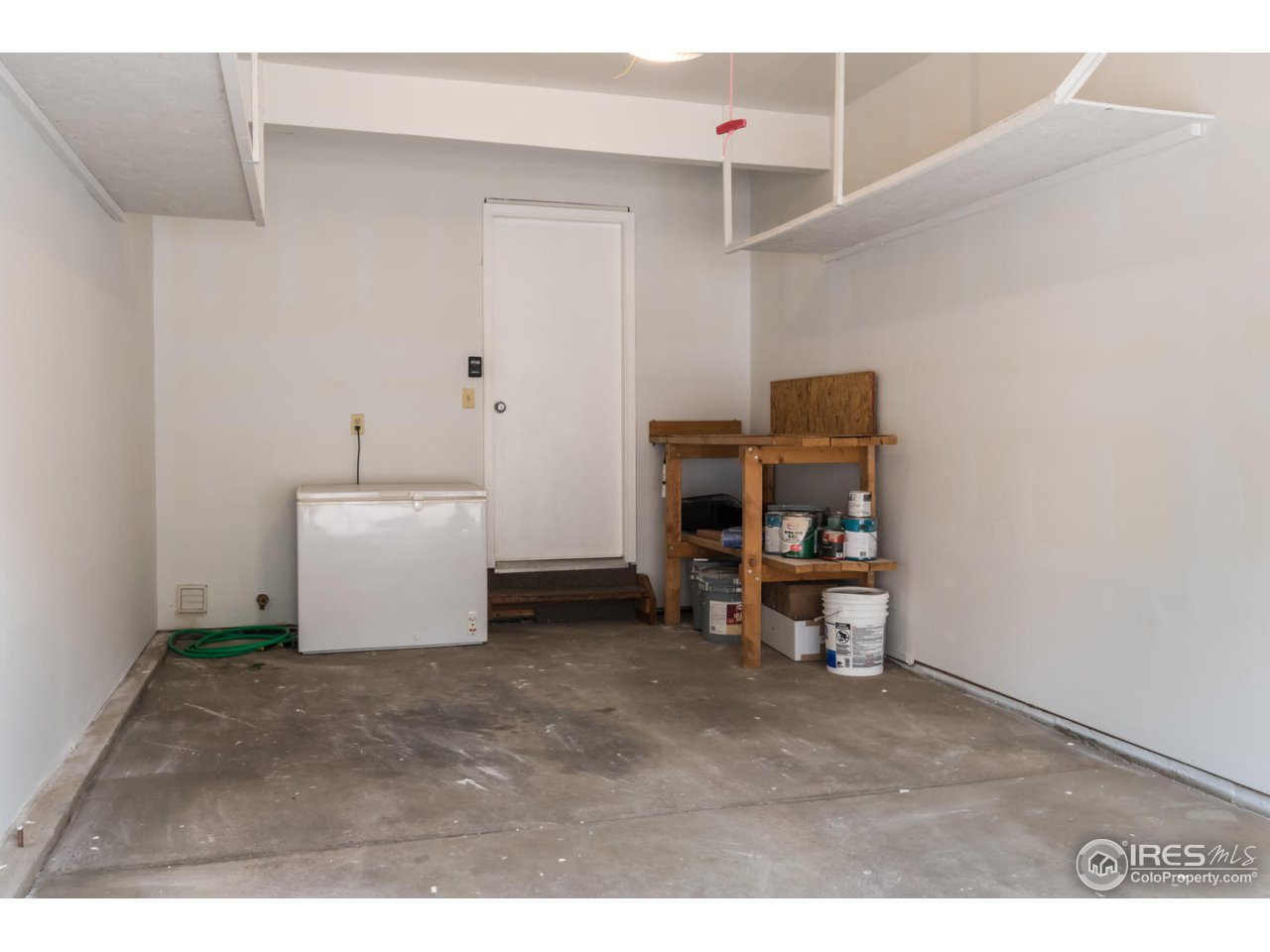
Recently renovated! Turn-key, move-in ready! Updates include: New Furnace, Beautiful wood engineered flooring, Freshly painted walls-including ceilings,Stainless Steel appliances, washer & dryer, two inch blinds, & light fixtures. Reserved parking spot and plenty of visitor’s parking. Community pool to enjoy during summer. Desirable commutable location w/ bus stop, schools, grocery, hospital, & Old Town Lafayette, parks,and trails all nearby. Showings limited to Saturdays from 1-3PM.
2 Bed
1 Bath (1F)
1064 Total SqFt ($294/SF)
2 Story Style
Built in 1984
Boulder County, Lafayette Area
See MLS Listing
by Farley Webmaster | Aug 29, 2016

Okay, you made one of the most important decisions in your life: you’re buying a home! You found your ideal home. It’s in your desired neighborhood, close to everything you love, you dig its design and feel, and you’re ready to finalize the deal.
But, whoa … wait a minute! Buying a home isn’t like buying a toaster. If you discover something’s wrong with your new home, you can’t return it for a refund or an even exchange. You’re stuck with your buying decision. Purchasing a home is an important investment and should be treated as such. Therefore, before finalizing anything, your “ideal” home needs an inspection to protect you from throwing your hard-earned money into a money pit.
A home inspection is a professional visual examination of the home’s roof, plumbing, heating and cooling system, electrical systems, and foundation.
There are really two types of home of inspections. There is a general home inspection and a specialized inspection. Most general inspections cost between $267 and $370. The cost of the specialized inspection varies from type to type. If the inspector recommends a specialized inspection, take that advice because buying a home is the single most important investment you’ll make and you want extra assurance that you’re making a wise investment.
By having your prospective new home inspected, you can:
- Negotiate with the home seller and get the home sale-ready at no cost to you
- Prevent your insurance rates from rising
- Opt-out of the purchase before you make a costly mistake
- Save money in the short and long run
How Much Money Can a Home Inspection Save You?
A home inspection helps to find potential expenses beyond the sales price, which puts homebuyers in a powerful position for negotiation. If there are any issues discovered during the home inspection, buyers can stipulate that the sellers either repair them before closing or help cover the costs in some other way. If the sellers do not want to front the money to complete the repairs, buyers could negotiate a drop in the overall sales price of the home!
Perhaps even more importantly, a home inspection buys you peace of mind. Your first days and months in a new home will set the tone for your life there, and you don’t want to taint that time with worries about hidden problems and potential money pits.
To help you understand how much money a home inspection can save you, here are some numbers from HomeAdvisor to drive the point home … so to speak.
Roof – Roofing problems are one of the most common issues found by home inspections. Roof repair can range between $316 and $1046, but to replace a roof entirely can cost between $4,660 and $8,950.
Plumbing – Don’t underestimate the plumbing. Small leaks can cause damage that costs between $1,041 and $3,488 to repair. Your home inspector will look for visible problems with the plumbing such as leaky faucets, water stains around sinks and the shower, and noisy pipes. Stains on walls, ceilings, and warped floors show plumbing problems.
Heating and Cooling – Ensuring the home’s heating and cooling system is working properly is very important. Your home inspector will make you aware of any problems with the existing system and let know you whether the system is past its prime and needs replacing. You don’t want to throw down $3,919 to replace an aged furnace. Nor do you want to spend $5,238 replacing an ill-working air conditioner. Replacing and repairing a water heater gets pricey too. Wouldn’t you rather use your savings for a vacation?
Electrical Systems – When thinking of the electrical system, no problem is better than even a small problem. Electrical problems might seem small, but they can blossom into thousand-dollar catastrophes. Make sure your home inspector examines the electric meter, wires, circuit breaker, switches, and the GCFI outlets and electrical outlets.
Foundation – If your home inspector sees that the house is sinking, that means water is seeping into the foundation; cracks in walls, sticking windows, and sagging floor also indicate foundational problems. The foundation is so important that if the general inspection report shows foundation problems, lenders will not lend money on the home until those issues are solved. Foundation repairs can reach as high as $5,880 to repair.
As you can see, a small investment of a few hundred dollars for a general home inspection can save you tons of money and future headaches. To save even more money, you might consider investing in a specialized home inspection as well. A specialized inspection gets down to the nitty-gritty of all the trouble spots the general home inspection might have located.
How Much Money Can a Specialized Inspection Save You?
A general home inspection can trigger a need for a specialized inspection because the general home inspector spotted something off about the roof, sewer system, the heating and cooling system, and the foundation. If humidity is high where you’re buying your home, a pest inspection is recommended. Usually, a pest inspection will check for mold as well as pests. Most homebuyers have a Radon test done to ensure air quality.
Roof – Roof specialists examine the chimney and the flashing surrounding it. They also look at the level of wear and tear of the roof. They can tell you how long the roof will last before a new one is needed. They’ll inspect the downspouts and gutters. The average cost of a roof inspection is about $223. Most roof inspections will cost between $121 and $324.
Sewer System – Making sure your sewer system has no problems should happen before the closing because what might look like a small problem can turn into a large problem in the future. If any issues pop up, you can negotiate with the seller about needed repairs or replacements before closing. Cost of inspection will vary; on the low side, it might cost you around $95, and on the high side, it might cost you $790. Compare these numbers to repairing a septic tank, which can cost, on average, $1,435 (though it could reach as high as $4,459), and you can see that the cost of an inspection is worth it when you catch the problem before you buy.
Heating and Cooling System – A HVAC specialist will check the ducts for blockage and for consistent maintenance of the unit. The repairs needed might be small or they might be big, but this small investment will save you headaches and lots of money down the road.
Foundation – A foundation specialist will pinpoint the exact problem with the foundation. The specialist will look at the grade or slope of the home. The ground should slope away from the home in all directions a half inch per foot. Most homeowners have spent between $1,763 and $5,880 to repair their foundation. And the average cost to re-slope a lawn is at $1,705. Most homeowners paid between $933 and $2,558 to re-slope their lawn.
Pest Inspection – Termites eat a home’s wood structure from inside out and can cause thousands of dollars worth of damage to your home. Other pests can turn your dream home into a nightmare. Depending on the humidity of where you live, you should a pest/termite inspection every two years or so. You can start with your potential new home. Most inspections are extensive and cost between $109 and $281. The good news is that most pest management company will guarantee the past inspection if bugs show up.
Radon Test – Radon is a naturally occurring invisible odorless gas that is the second leading cause of cancer. A radon test is a good test to have done as a good habit. The cost of radon test is low and its cost varies from state to state. Here’smore information about Radon.
Steps You Can Take to Save Money Using a Home Inspection
To help yourself save with a home inspection, you will need to:
Attend the inspection – Attending the inspection is important because it’s an opportunity for you to ask questions.
Check utilities – Checking utilities let’s know the energy efficiency of your potential home.
Hire a Qualified Home Inspector – We can recommend bona-fide home inspectors to you. You can compare our recommendation with all inspectors who belong to the American Society of Home Inspectors. While the decision of who you work with is always yours, we can educate you so that you make a wise homebuying decision.