Will Your Remodel Pay Off? The Best (and Worst) Ways to Spend Your Budget

Boulder Real Estate July Home Remodel

Most new homeowners have something about their property that they want to change. And as family needs and design trends shift over time, many will eventually choose to remodel. Some homeowners make updates to their property before listing it to maximize their potential sales revenue.

Whatever your reasons are for taking on a home improvement project, it’s wise to consider how the money you invest will impact your home’s value.

We’ve taken a look at six popular home renovations and identified those that—on average—have the best and worst returns on investment. So before you lift a hammer or hire a contractor, take a look at this list and see if your remodeling efforts will reward you when it comes time to sell.

RENOVATIONS THAT PAY OFF

These three common home improvement projects not only add function and style to your home, but they also offer a strong return on investment. Making strategic upgrades to your property will help you increase its value over time.

The kitchen is often referred to as the “heart of the home,” and for good reason. Traditionally used for preparing food, it has morphed into so much more. Many of us now eat our family meals in the kitchen, it serves as a favorite spot for homework and kids’ art projects, and it’s the place guests tend to gather when we host events.

Because we spend so much time in our kitchens, it’s natural that we will eventually want to make updates and upgrades to better suit our needs and changing style preferences.

Luckily, a minor kitchen remodel is one of the best investments you can make in your home. According to Remodeling Magazine’s annual Cost vs. Value Report, it has an average 80.5% return on investment.1

The key to making a kitchen remodel pay off is to keep it modest in scale. Spend too much on custom or high-end selections, and you are less likely to recoup your investment. Instead, make an effort to keep your existing layout if it works for you and your family. Paint or reface cabinets instead of replacing them. Update counter tops with low-maintenance quartz and swap out old light fixtures with modern alternatives. Replace outdated appliances with energy-efficient models. The average cost for a minor kitchen remodel is $22,500, and it’s likely to recoup more than $18,000 at resale.1

Wood Deck Addition
A deck addition is a popular way to extend and enhance the use of your outdoor space. It’s the perfect spot for grilling, dining alfresco, and entertaining. In fact, 81% of surveyed homeowners said they have a greater desire to be home since completing a deck addition.2

For a 16 x 20-foot wood deck, you can expect to spend around $13,000. Fortunately, the money you invest offers an average return of 76%.1

Decks made of composite material are a popular alternative these days, as they don’t require the regular sanding and staining that wood decks need. However, at an average cost of $19,000 for a 16 x 20-foot composite deck, they are significantly more expensive. Plus, the expected return on investment is only 69%.1 Still, if you plan to hire someone to provide regular maintenance to a wood deck, then a composite deck may offer cost savings over time.

Siding Replacement
Everyone knows good curb appeal is important when selling your home. And while it may not be the most exciting way to spend your remodeling budget, new siding can make a big impression on buyers … and your selling price.

Your home’s exterior is one of the first things buyers see when they view your home. It sets the tone for what they are going to see inside. It also gives an impression of how well the property has been maintained. Worn, peeling, or rotted siding can be a major red flag for buyers.

Replacing 1,250 square feet of siding costs around $16,000 and will net you an average of 76% at resale.1

For an even greater impact, consider replacing a portion of your siding with manufactured stone veneer. It can have a dramatic effect on the visual appeal of your home. A 300 square foot area will run you around $8,900, but you can expect to see a nearly 95% return when it comes time to sell.1


RENOVATIONS WITH WEAK RETURNS

These three popular remodeling projects are homeowner favorites. However, don’t expect to see a high rate of return at resale. Instead, consider them an investment in your current quality of life. Just make sure you’ll be living in the home long enough to make them worthwhile.

Major Kitchen Remodel
If there’s one room the majority of homeowners dream about making over, it’s their kitchen. From custom cabinetry to high-end appliances, the possibilities are endless. But those dreams can come at a cost.

An upscale kitchen remodel with high-end cabinetry and countertops, commercial-grade appliances, and designer features can cost upwards of $130,000. And unfortunately, you’ll only get back around 60% at resale. Even a mid-range kitchen remodel that includes new semi-custom wood cabinets, laminate countertops, and energy-efficient appliances could run you around $66,000 and net you a mere 62% at resale.1

Of course, an outdated or non-functional kitchen could turn buyers off from your home completely … and keep you from enjoying it yourself! So if your kitchen needs a major remodel, you shouldn’t necessarily scrap your plans. Just go in with the realization that you may only get back a fraction of what you invest. Then you can decide which upgrades are worth the splurge.

In-ground Pool
Few additions deliver more entertainment or enjoyment than an in-ground pool. It brings families and friends together, provides a break from the summer heat, and offers a fun and convenient way to stay fit. Plus, you’ll be the envy of your neighbors! But before you dive into a pool addition, consider whether the benefits outweigh the (substantial) costs.

The average expense to install a standard 18 x 36-foot in-ground pool is $57,500. And the estimated return at resale is only or 43%.2 In addition to the installation cost, plan to spend money each year on maintenance, repairs, and additional insurance.

However, 92% of surveyed homeowners said they “have a greater desire to be home” since installing a pool, and 83% have “an increased sense of enjoyment when they are at home.” For you and your family, the perks of a pool may be priceless.2

Master Suite Addition
If you own a house built before the 1980s, there’s a good chance it lacks a master suite, which is a feature that has become commonplace in most newly constructed homes.3

Master bedrooms have evolved from a simple place to sleep into a homeowner’s retreat—often featuring a sitting area, his-and-hers walk-in closets, and an attached bathroom with double vanities, a soaking tub, and a walk-in shower.

And master suite additions have become increasingly popular—both in homes that lack one as well as those with aging owners who can no longer accommodate stairs to an upper-level bedroom.

But what’s the typical return at resale? Unfortunately, a master suite addition offers one of the lowest returns of any remodeling project. With a median cost of $125,000, most sellers will only recoup around 52% of their investment. Nevertheless, in a survey of homeowners, the majority were satisfied with their decision to add a master suite, giving it a “Joy Score” of 10 out of 10.4


WEIGHING COST VS. BENEFIT

It’s always wise to enter into a remodeling project with knowledge of how it will impact your home’s value. In most cases, upscale or highly-customized upgrades are less likely to offer a high rate of return. That said, home renovations that improve your quality of life and enhance your enjoyment may be worthwhile no matter the cost.

GET A CUSTOMIZED ANALYSIS OF YOUR PROJECT

We’ve been talking averages. But the truth is, the actual return you can expect on a home improvement project will vary depending on your particular home and neighborhood. If you have plans to remodel, call or send us the details. We’d be happy to conduct a free analysis to determine how the renovations will impact the value of your home!

Sources:

  1. 2019 Cost vs. Value Report –
    https://www.remodeling.hw.net/cost-vs-value/2019/
  2. NAR’ Remodeling Impact Report – https://www.nar.realtor/sites/default/files/documents/2018-05-remodeling-impact-outdoor-features-05-23-2018.pdf
  3. Zillow –
    https://www.zillow.com/blog/evolution-of-the-master-bedroom-48286/
  4. House Logic –
    https://www.houselogic.com/by-room/bedroom-closet/master-suite-addition-return-investment/
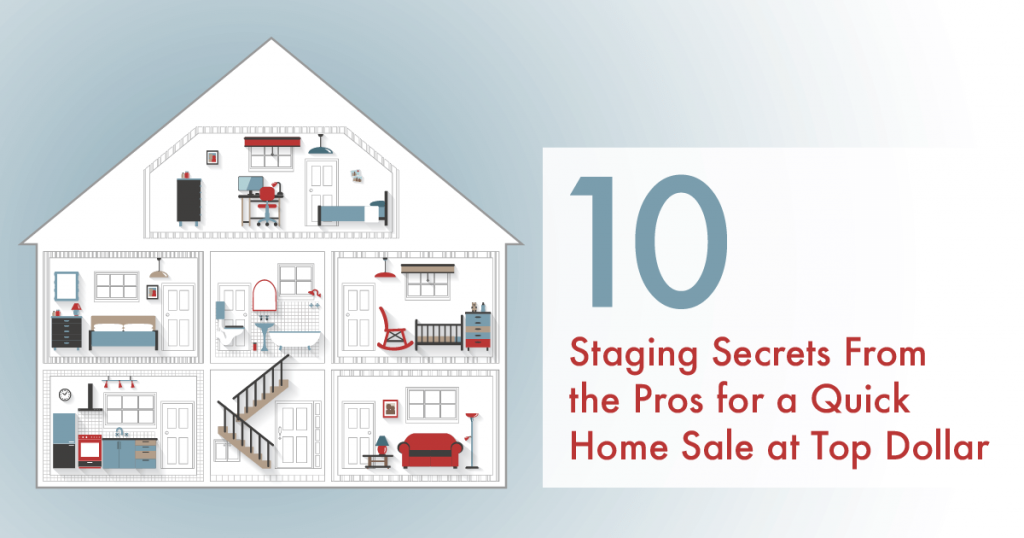
10 Staging Secrets From the Pros for a Quick Home Sale at Top Dollar

Farley Top 10 Home Staging Tips


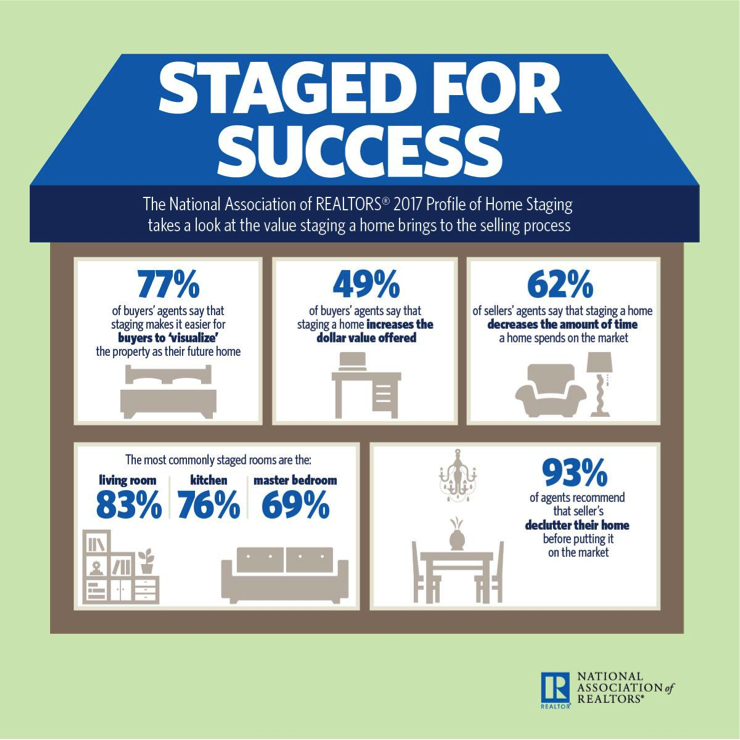
According to the National Association of Realtors, staging a home prior to listing it can result in a faster and more profitable sale.1 In fact, the Real Estate Staging Association estimates that professionally staged properties spend 73 percent less time on the market, receive more foot traffic, and typically sell for more money.2

John Farley - 10 Staging Secrets from the Pros for a Quick Home Sale at Top Dollar Infographic

Following are 10 tips you can use to get your home “show ready” prior to hitting the market. These easy and cost-effective ideas will help your house look its best—and help buyers visualize themselves living there. Even if you’re not currently in the market to sell, you can use these tactics to breathe new life into your existing home decor. 

To get a plan customized for your particular property, give us a call to schedule a free consultation. We’d be happy to share our insider knowledge of the buyer preferences in your neighborhood … so you’ll know where to focus your time, money and energy to maximize your results.


1. REMOVE CLUTTER 

Decluttering is typically the first thing we tell clients to do to prepare their home for sale. And according to the National Association of Realtors, a whopping 93 percent of agents agree.1Decluttering is the act of removing excess “stuff” from your home to make it appear clean and spacious.

Overflowing closets and cluttered countertops can make your house feel small and cramped. In contrast, sparsely-filled closets and clear countertops will make your home appear larger and assure buyers that there will be plenty of room to store their belongings.

Don’t neglect drawers, cupboards and even your refrigerator in your decluttering efforts. Serious buyers will check out every nook and cranny of your home, so pack up anything you don’t use on a daily basis and store it off site. The same goes for jewelry, sensitive documents, prescription medication, firearms and other items of value. Store them in a locked safe or storage unit before opening your property to buyers. 

Make sure any items that remain are clean, tidy and well organized. The good news is, when it comes time to move, a large portion of your packing will be done!


2. DEEP CLEAN AND DEODORIZE

From carpets to bathrooms to appliances, having a clean home is a MUST. If you’ve ever checked into a dirty hotel room, you can imagine how buyers can be turned off by a home that hasn’t been thoroughly cleaned.

If you have a large home, or are short on time, you may want to invest in a professional cleaning service. And if you have carpet, we generally recommend you rent a steam cleaner or hire a company to clean your carpets for you.

In addition to cleaning, it’s equally important to neutralize odors in your home that can be off-putting to buyers, especially pet smells and cigarette smoke. If the weather allows, open your windows and let in fresh air. Empty the trash frequently, and especially before a showing. Avoid cooking any strong-smelling food such as fish or heavy spices. You may need to clean (or remove) drapes and upholstery if odors are particularly strong.

Try to keep your home in clean, show-ready condition while it’s on the market. You never know when a potential buyer will want to drop by for a viewing.


3. DEPERSONALIZE

Your family photos and personal mementos are often your most treasured possessions. For many of us, they are what make a house a home. However, buyers will have a hard time envisioning themselves living in a place if it feels like YOUR home.

Pack up any items that are personal to you and your family, such as photos, books, children’s artwork, travel souvenirs and religious items. Collectibles and excessive knickknacks can be distracting to buyers. Instead, keep your decor items minimal and generic to appeal to the largest number of buyers.


4. NEUTRALIZE YOUR COLOR PALETTE

Along those same lines, bold color choices may not appeal to all buyers. By incorporating a neutral color palette throughout your home, buyers can better visualize the addition of their own furniture and decor, which may contrast with your current color scheme.

But don’t limit yourself to white and beige. Incorporating earth tones and midtone neutrals—like mocha and “greige” (grey-beige)—can add a touch of modern sophistication to your decor.3


One of the quickest and most cost-effective ways to neutralize your home’s decor is with paint. Walls painted in dark, bold or bright colors can turn off buyers. A fresh coat of paint in a neutral color like greige (try Benjamin Moore’s Revere Pewter) or warm white (such as Kelly-Moore’s Rotunda White) offers a clean palette upon which buyers can visualize adding their own personal touches.4

If your sofa is worn, stained or has a bold pattern, consider purchasing a neutral-colored slipcover. Dated or overly busy window coverings should be taken down or replaced. Instead, bring in tasteful pops of color with throw pillows and accessories.


5. INCREASE YOUR CURB APPEAL

You only get one chance to make a first impression. According to a 2017 report by the National Association of Realtors, 44 percent of home buyers drove by a property after viewing it online but did NOT go inside for a walkthrough.5That means if your curb appeal is lacking, buyers may never make it through the door.

Walk around your home and look for any neglected areas that might seem like “red flags” to buyers, such as missing roof shingles or rotted siding. Trim trees and shrubs if needed, and make sure your lawn and flower beds are well maintained. Add some colorful flowers to your front beds and/or flower boxes to brighten up your landscaping.

Make sure the exterior of your home is as clean as the interior. This can often be accomplished with a simple garden hose. But if your siding, walkway, or driveway are stained or dingy, you may want to rent a pressure washer.

Thoroughly wash windows and screens, and remove and store dark solar screens if you have them. Open shutters, curtains and blinds, which will not only make your house look more inviting from the outside, it will brighten the inside.

Consider a fresh coat of paint on your front door, trim and shutters. And small, cosmetic improvements like new house numbers, a colorful wreath and a clean front doormat can have a big impact.6


6. FRESHEN KITCHENS AND BATHS

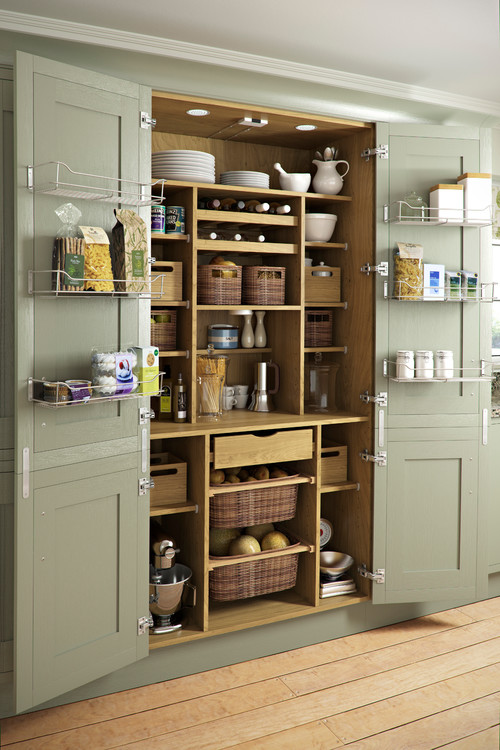
Kitchens and bathrooms will show better and appear larger if all items are cleared from the countertops, except for one or two decorative pieces.7You should have already packed up non-essentials during your decluttering process, and the remaining items should be neatly stored in pantries and cupboards.

If your cabinets are dingy or outdated, adding a fresh coat of paint and new hardware is an easy and inexpensive way to make them modern and bright. Consider purchasing new shower curtains, bath mats and towels for the bathrooms and new dish towels for the kitchen.

Before each showing, make sure kitchens and baths are spotless and trash cans are empty and out of sight. To add a comforting aroma, try baking cookies, or in the fall, simmer some cinnamon sticks and cloves in a pot of water before you leave the house. In the spring, try a vase of fresh cut lilacs.7

7. SET THE TABLE

Buyers often imagine hosting family gatherings in their new home, and the dining room plays a large role in that vision. If your dining room chairs are stained or outdated, you may want to recover them or use slipcovers. In most cases, an imperfect table can be camouflaged with a neutral and stylish tablecloth.

Be sure the table is centered underneath the chandelier and on the area rug if you’re using one. If your dining room is small, remove all other furniture and leave only four chairs.8

Dress up the table using nice tableware and cloth napkins or a table runner and centerpiece. For a long table, try lining up a series of small vessels down the middle.


8. REARRANGE FURNITURE

Start in your living room and think about what you want to emphasize (and de-emphasize) about the space. For example, do you have a beautiful fireplace or a stunning view? If so, arrange the furniture with that focal point in mind. Use a symmetrical seating arrangement to create a cozy conversation area adjacent to the focal point.

If the room is small, consider removing some of the furniture to make it feel larger, especially oversized pieces. That includes oversized television sets, unless it’s a designated media room. Pulling furniture away from the wall can make the room feel more spacious, and placing your largest furniture piece in the far-left corner (as opposed to near the entry) can create the illusion of a larger space.9

For small bedrooms, remove all the furniture except the bed, bedside tables and a dresser. If it’s a large room, add one or two chairs and a table to create a seating area. Place lamps on the bedside tables and seating area if you have one.10 

Make sure each space in your home has a clearly defined purpose. For example, if you’ve been using an extra bedroom as a catch-all storage space, stage it as a guest room or office instead. Turn an awkward alcove into a workstation or a reading corner. Help buyers imagine how they could use the space themselves.3


9. LIGHTEN UP

Lighting can have a drastic impact on the look and feel of a home. Few buyers seek out a dark house; most prefer one that’s light and bright. Make sure windows are clean, and open curtains and blinds to let in the maximum amount of daylight.

Each room should have three types of lighting: ambient (general or overhead), task (such as a reading lamp or under-cabinet light), and accent (such as a floor or table lamp). Aim for a goal of 100 total watts per 50 square feet.11If your mounted light fixtures are dated, replacing them with something more modern is an easy and inexpensive upgrade that can have a big impact.

Strategically placed landscape lighting can add a dramatic effect to your home’s exterior. Welcome evening visitors with a lighted walkway, or use a spotlight to accentuate trees or other landscaping features. Solar lights require no wiring; simply place them in a sunny spot and they will turn on automatically at dusk.


10. HIGHLIGHT YOUR BACKYARD’S BEST FEATURES

While your home’s interior often takes center stage, don’t forget about staging your home’s outdoor areas to help buyers imagine how they could utilize the space.

Even a small patio can become a selling feature with the addition of a cafe table and chairs. Add a tray of plates and coffee cups to help buyers envision a peaceful breakfast on the back porch. Place chairs and wine glasses around an outdoor firepit or hang a hammock with a book in your favorite shady spot.3 These small, simple additions can help buyers visualize the possibilities your backyard has to offer.


BEFORE YOU GET STARTED

If you’re in the market to sell your home, this list provides a great starting point for your preparations. But nothing beats the trained eye and expertise of a real estate agent. Before you do any work, we recommend consulting a professional for advice about your particular property.  

We offer free, no-commitment seller consultations and will walk through your home with you to help you assess which projects and upgrades are worth your time and money, and which ones you can skip.

As Boulder market experts, we are intimately familiar with buyer preferences in our area . We’ll run a comparative market analysis to find out how your home compares to others currently on the market, as well as those that have recently sold. Then we’ll tailor a custom plan to suit your particular property, budget and needs. Even in a hot market like Boulder or the Denver Metro area, details are important to ensure you sell your home quickly and for the best price.

Please call us today at  303-475-6269 with questions or to schedule a free consultation! 

SaveSaveSaveSave

______________________________________________


Sources:

  1. National Association of Realtors –
    https://www.nar.realtor/sites/default/files/migration_files/reports/2017/2017-profile-of-home-staging-07-06-2017.pdf
  2. Real Estate Staging Association –
    http://www.realestatestagingassociation.com/content.aspx?page_id=22&club_id=304550&module_id=164548
  3. Houzz –
    https://www.houzz.com/ideabooks/2661221/list/sell-your-home-fast-21-staging-tips
  4. HGTV –
    https://www.hgtv.com/design/outdoor-design/landscaping-and-hardscaping/10-curb-appeal-tips-from-the-pros-pictures
  5. National Association of Realtors –
    https://www.nar.realtor/sites/default/files/reports/2017/2017-home-buyer-and-seller-generational-trends-03-07-2017.pdf
  6. The Spruce –
    https://www.thespruce.com/must-try-neutral-paint-colors-797983
  7. HouseLogic –
    https://www.houselogic.com/sell/preparing-your-home-to-sell/home-staging-checklist/
  8. com –
    http://www.stagemyownhome.com/staging-the-dining-room.html
  9. com –
    https://www.realtor.com/advice/sell/small-living-room-staging-tricks/
  10. SFGATE –
    http://homeguides.sfgate.com/stage-master-bedroom-34573.html
  11. HGTV –
    https://www.hgtv.com/shows/designed-to-sell/15-secrets-of-home-staging-pictures

SaveSave

SaveSave

SaveSave

HOUSE CARE CALENDAR: A Seasonal Guide to Maintaining Your Home

HOUSE CARE CALENDAR: A Seasonal Guide to Maintaining Your Home Image

From summer vacations to winter holidays, it seems each season offers the perfect excuse to put off our to-do list. But be careful, homeowners: neglecting your home’s maintenance could put your personal safety—and one of your largest financial investments—at serious risk.

In no time at all, small problems can lead to extensive and expensive repairs. And even if you avoid a catastrophe, those minor issues can still have a big impact. Properties that are not well maintained can lose 10 percent (or more) of their appraised value. The good news is, by dedicating a few hours each season to properly maintaining your home, you can ensure a safe living environment for you and your family … and actually increase the value of your home by one percent annually!1 You just need to know where and how to spend your time.

Use the following checklist as a guide to maintaining your home and lawn throughout the year. It’s applicable for all climates, so please share it with friends and family members who you think could benefit, no matter where their home is located.

Spring

After a long, cold winter, many of us look forward to a fresh start in the spring. Wash away the winter grime, open the windows, and prepare your home for warmer weather and backyard barbecues.

Inside

  • Conduct Annual Spring Cleaning
    Be sure to tackle those areas that may have gone neglected—such as your blinds, baseboards and fan blades—as well as appliances, including your refrigerator, dishwasher, oven and range hood. Clear out clutter and clothes you no longer wear, and toss old and expired food and medications.
  • Shut Down Heating System
    Depending on the type of heating system you have, you may need to shut your system down when not in use. Check the manufacturer’s instructions for proper procedures.
  • Tune Up A/C
    If your home has central air conditioning, schedule an annual tune-up with your HVAC technician. If you have a portable or window unit, be sure to follow the manufacturer’s instructions for proper maintenance.2
  • Check Plumbing
    It’s a good idea to periodically check your plumbing to spot any leaks or maintenance issues. Look for evidence of leaks—such as water stains on the ceiling—and check for dripping faucets or running toilets that need to be addressed. Inspect your hot water heater for sediment build up. Check your sump pump (if you have one) to ensure it’s working properly.3
  • Inspect Smoke Alarm and Carbon Monoxide Detectors
    Check that your smoke and carbon monoxide detectors are functioning properly. Batteries should be replaced every six months, so change them now and again in the fall. Follow the manufacturer’s instructions to test your individual devices. And even properly functioning devices should be replaced at least every 10 years, or per the manufacturer’s recommendation.4


Outside

  • Inspect Perimeter of Home
    Walk around your house and look for any signs of damage or wear and tear that should be addressed. Are there cracks in the foundation? Peeling paint? Loose or missing roof shingles? Make a plan to make needed repairs yourself or hire a contractor.
  • Clean Home’s Exterior
    Wash windows and clean and replace screens if they were removed during the winter months. For the home’s facade, it’s generally advisable to use the gentlest method that is effective. A simple garden hose will work in most cases.5
  • Clean Gutters and Downspouts
    Gutters and downspouts should be cleaned at least twice a year. Neglected gutters can cause water damage to a home, so make sure yours are clean and free of debris. If your gutters have screens, you may be able to decrease the frequency of cleanings, but they should still be checked periodically.6
  • Rake Leaves
    Gently rake your lawn to remove leaves and debris. Too many leaves can cause an excessive layer of thatch, which can damage the roots of your lawn. They can also harbor disease-causing organisms and insects.7 However, take care because overly vigorous raking can damage new grass shoots.
  • Seed or Sod Lawn
    If you have bare spots, spring is a good time to seed or lay new sod so you can enjoy a beautiful lawn throughout the remainder of the year. The peak summer heat can be too harsh for a new lawn. If you miss this window, early fall is another good time to plant.8
  • Apply a Pre-Emergent Herbicide
    While a healthy lawn is the best deterrent for weeds, some homeowners choose to use a pre-emergent herbicide in the spring to minimize weeds. When applied at the right time, it can be effective in preventing weeds from germinating. However, a pre-emergent herbicide will also prevent grass seeds from germinating, so only use it if you don’t plan to seed or sod in the spring.
  • Plant Flowers
    After a long winter, planting annuals and spring perennials is a great way to brighten up your garden. It’s also a good time to prune existing flowers and shrubs and remove and compost any dead plants.
  • Mulch Beds
    A layer of fresh mulch helps to suppress weeds, retain moisture and moderate soil temperature. However, be sure to strip away old mulch at least every three years to prevent excessive buildup.9
  • Fertilize Lawn
    Depending on your grass type, an application of fertilizer in the spring may help promote new leaf and root growth, keep your lawn healthy, and reduce weeds.10
  • Tune Up Lawn Mower
    Send your lawn mower out for a professional tune-up and to have the blades sharpened before the mowing season starts.11
  • Inspect Sprinkler System
    If you have a sprinkler system, check that it’s working properly and make repairs as needed.
  • Check the Deck
    If you have a deck or patio, inspect it for signs of damage or deterioration that may have occurred over the winter. Then clean it thoroughly and apply a fresh coat of stain if needed.
  • Prepare Pool
    If you own a pool, warmer weather signals the start of pool season. Be sure to follow best practices for your particular pool to ensure proper maintenance and safety.


Summer

Summer is generally the time to relax and enjoy your home, but a little time devoted to maintenance will help ensure it looks great and runs efficiently throughout the season.

Inside

  • Adjust Ceiling Fans
    Make sure they are set to run counter-clockwise in the summer to push air down and create a cooling breeze. Utilizing fans instead of your air conditioner, when possible, will help minimize your utility bills.
  • Clean A/C Filters
    Be sure to clean or replace your filters monthly, particularly if you’re running your air conditioner often.
  • Clear Dryer Vent
    Help cut down on summer utility bills by cleaning your laundry dryer vent at least once a year. Not only will it help cut down on drying times, a neglected dryer poses a serious fire hazard.
  • Check Weather Stripping
    If you’re running your air conditioner in the summer, you’ll want to keep the cold air inside and hot air outside. Check weather stripping around doors and windows to ensure a good seal.


Outside

  • Mow Lawn Regularly
    Your lawn will probably need regular mowing in the summer. Adjust your mower height to the highest setting, as taller grass helps shade the soil to prevent drought and weeds.
  • Water Early in the Morning
    Ensure your lawn and garden get plenty of water during the hot summer months. Experts generally recommend watering in the early morning to minimize evaporation, but be mindful of any watering restrictions in your area, which may limit the time and/or days you are allowed to water.
  • Weed Weekly
    To prevent weeds from taking over your garden and ruining your home’s valuable curb appeal, make a habit of pulling weeds at least once per week.
  • Exterminate Pests
    Remove any standing water and piles of leaves and debris. Inspect your lawn and perimeter of your home for signs of an invasion. If necessary, call a professional exterminator for assistance.


Fall

Fall ushers in another busy season of home maintenance as you prepare your home for the winter weather ahead.

Inside

  • Have Heater Serviced
    To ensure safety and efficiency, it’s a good idea to have your heating system serviced and inspected before you run it for the first time.
  • Shut Down A/C for the Winter
    If you have central air conditioning, you can have it serviced at the same time as your furnace. If you have a portable or window unit, ensure it’s properly sealed or remove it and store it for the winter.
  • Inspect Chimney
    Fire safety experts recommend that you have your chimney inspected annually and cleaned periodically. Complete this task before you start using your fireplace or furnace.
  • Seal Windows and Doors
    Check windows and doors for drafts and caulk or add weatherstripping where necessary.
  • Check Smoke Alarm and Carbon Monoxide Detectors
    If you checked your smoke and carbon monoxide detectors in the spring, they are due for another inspection. Batteries should be replaced every six months, so it’s time to replace them again. Follow the manufacturer’s instructions to test your individual devices. And even properly functioning devices should be replaced at least every 10 years, or per the manufacturer’s recommendation.3


Outside

  • Plant Fall Flowers, Grass and Shrubs
    Fall is a great time to plant perennials, trees, shrubs, cool-season vegetables and bulbs that will bloom in the spring.12 It’s also a good time to reseed or sod your lawn.
  • Rake or Mow Leaves
    Once the leaves start falling, it’s time to pull out your rake. A thick layer of leaves left on your grass can lead to an unhealthy lawn. Or, rather than raking, use a mulching mower to create a natural fertilizer for your lawn.
  • Apply Fall Fertilizer
    If you choose not to use a mulching mower, a fall fertilizer is usually recommended. For best results, aerate your lawn before applying the fertilizer.13
  • Inspect Gutters and Roof
    Inspect your gutters and downspouts and make needed repairs. Check the roof for any broken or loose tiles. Remove fallen leaves and debris.
  • Shut Down Sprinkler System
    If you have a sprinkler system, drain any remaining water and shut it down to prevent damage from freezing temperatures over the winter.
  • Close Pool
    If you have a pool, it’s time to clean and close it up before the winter.


Winter

While it can be tempting to ignore home maintenance issues in the winter, snow and freezing temperatures can do major damage if left untreated. Follow these steps to ensure your house survives the winter months.

Inside

  • Maintain Heating System
    Check and change filters on your heating system, per the manufacturer’s instructions. If you have a boiler, monitor the water level.
  • Tune Up Generator
    If you own a portable generator, follow the manufacturer’s instructions for proper maintenance. Make sure it’s working before you need it, and stock up on supplies like fuel, oil and filters.
  • Prevent Frozen Pipes
    Make sure pipes are well insulated, and keep your heat set to a minimum of 55 degrees when you’re away. If pipes are prone to freezing, leave faucets dripping slightly overnight or when away from home. You may also want to open cabinet doors beneath sinks to let in heat.


Outside

  • Drain and Shut Off Outdoor Faucets
    Before the first freeze, drain and shut off outdoor faucets. Place an insulated cover over exposed faucets, and store hoses for the winter.
  • Remove Window Screens
    Removing screens from your windows allows more light in to brighten and warm your home during the dark, cold winter months. Snow can also get trapped between screens and windows, causing damage to window frames and sills.
  • Service Snowblower
    Don’t wait until the first snowstorm of the season to make sure your snowblower is in good working order. Check the manufacturer’s instructions for maintenance or have it serviced by a professional.
  • Stock Up on Ice Melt
    Keep plenty of ice melt, or rock salt, on hand in preparation for winter weather. Look for brands that will keep kids and pets safe without doing damage to your walkway or yard.
  • Watch Out for Ice Dams
    Ice dams are thick ridges of solid ice that can build up along the eaves of your house. They can do major damage to gutters, shingles and siding. Heated cables installed prior to the first winter storm can help.14
  • Check for Snow Buildup on Trees
    Snow can cause tree limbs to break, which can be especially dangerous if they are near your home. Use a broom to periodically remove excess snow.15


While this checklist should not be considered a complete list of your home’s maintenance needs, it can serve as a general seasonal guide. Systems, structures and fixtures will need to be repaired and replaced from time-to-time, as well. The good news is, the investment you make in maintaining your home now will pay off dividends over time.

Keep a record of all your maintenance, repairs and upgrades for future reference, along with receipts. Not only will it help jog your memory, it can make a big impact on buyers when it comes time to sell your home … and potentially result in a higher selling price.

Are you looking for help with home maintenance or repairs? We have an extensive network of trusted contractors and service providers and are happy to provide referrals! Call or email us, and we can connect you with one of our preferred vendors.

—

Sources:

  1. HouseLogic.com –
    https://www.houselogic.com/organize-maintain/home-maintenance-tips/value-home-maintenance/
  2. Home Advisor –
    https://www.homeadvisor.com/r/servicing-your-air-conditioner/
  3. Keyes & Sons Plumbing and Heating –
    http://keyes-plumbing.com/things-to-check-in-spring/
  4. Allstate Insurance Blog –
    https://blog.allstate.com/test-smoke-detectors/
  5. Houzz –
    https://www.houzz.com/ideabooks/17268616/list/how-to-wash-your-house
  6. Angie’s List –
    https://www.angieslist.com/articles/why-gutter-cleaning-so-important.htm
  7. Angie’s List –
    https://www.angieslist.com/articles/what-thatch-and-how-does-it-impact-my-lawn.htm
  8. HGTV –
    http://www.hgtv.com/design/outdoor-design/landscaping-and-hardscaping/lawns/top-spring-lawn-care-tips-pictures
  9. This Old House –
    https://www.thisoldhouse.com/more/may-mulching
  10. Lowes –
    https://www.lowes.com/projects/lawn-and-garden/fertilize-your-lawn/project
  11. The New York Times –
    https://www.nytimes.com/guides/realestate/home-maintenance-checklist
  12. Better Homes and Gardens Magazine –
    https://www.bhg.com/gardening/yard/garden-care/what-to-plant-in-the-fall/
  13. The Spruce –
    https://www.thespruce.com/late-fall-fertilizing-2152976
  14. This Old House –
    https://www.thisoldhouse.com/how-to/how-to-get-rid-ice-dams
  15. Houzz –
    https://www.houzz.com/ideabooks/55572864/list/your-winter-home-maintenance-checklist


SaveSave

SaveSave

8 Smart Home Technology Trends that Can Save You Money

8 Smart Home Technology Trends that Can Save You Money

The ‘smart home’ is the new ‘internet of things’, or objects that can serve you better by communicating with each other or directly with you through apps on your smart phone. In the ideal version of the wired future, all of our appliances and gadgets talk to each other seamlessly.

What could living in a smart home look like? Picture something like this:

The lights in your bedroom slowly illuminate to quietly awaken you in the morning, replacing the typical blaring alarm. The aroma of fresh brewing coffee drifts in and stirs your senses. Once the lights are all the way up, the heating system kicks on, just in time to warm up your room so you’re not shocked once you crawl out from underneath the duvet.

When you step into the shower, it turns on automatically and remembers your preferred temperature and water pressure. And it will shut off right when you’re finished as it knows how long you take to bathe.

Once you’ve driven out of your garage, your home alarm system arms itself. And it will only unlock automatically when it “sees” and recognizes someone else from your family approaching through programmed in biometrics.

Do smart homes really work this way right now? Not exactly…while you may find some of these smart features in certain homes, we haven’t reached the point where every feature intuitively knows what you want and when you wanted. However, each year we’re getting closer and closer toward that shiny, idealized ‘Jetson’ future.

Here are some trends that we see for smart homes, many of which may also help you save money:

Smart Thermostats
Programmable thermostats that are synchronized with the clock have been around for decades. However, they’re often difficult to set and aren’t necessarily efficient; they simply turn on or off as programmed, whether or not you are there.

With the newer models, smart thermostats can be programmed to adjust the temperature when they sense you are present. And once you leave, they can kick back to standby mode so that you’re saving energy and money. Nest does all of this, and it also allows you to check your usage from your cell phone so that you can adjust the temperature remotely and save even more.

Smart Smoke Detectors
Having a working, effective smoke detector saves lives. But unfortunately, many of us still have those battery-run smoke detectors that make that annoying, piercing beep when their batteries are running low on power. And instead of replacing batteries right away, it’s often easier to pull them out and disable the detector (while risking our lives).

Many of the new smart smoke detectors, like the Birdi, monitor smoke, carbon dioxide, as well as air quality. With this new sensor technology, they know the difference between a real fire and burnt toast.

Smart Sprinkler Control
Weather in our area is predictably unpredictable. Often, especially during the summer months, we fall into a severe drought. But then we might have one season that brings extreme amounts of rain, like we did this past spring.

A smart sprinkler controller like Rachio Iro can not only help save you lots of money on your water bill but also help protect our precious resources.

Programmable by computer or smart phone, it can automatically adjust how often you water your lawn based on the season and the weather forecasts. You can also remotely adjust the settings through a mobile app.

Smart Solar Panels
You can put the sun to work for you by using solar technology to power your home. It’s green and renewable, and can save you money over the long term. A recent study conducted by the NC Clean Energy Technology Center determined that Austin customers who invested in a solar system saved an average of $66 per month during the first year that they owned the system.

With smart solar panels, you can program the technology to monitor their performance and even turn them off in case of a weather emergency or fire.

Smart Home Security Systems
Home monitoring has become much more sophisticated in recent years. With the old-style security systems, you had to call in contractors to wire your home with monitoring sensors.

With new smart technology, you can simply place a few smart devices in your home to monitor movement and sense whether doors and windows are closed or opened. Some systems include audio and video monitoring, as well as sirens to scare off intruders. You get real-time feedback on security breaches through an app. And, because you’re alerted as soon as the system senses an intruder, it’s more likely that they will be caught.

Canary is one popular all-in-one audio-video security system, complete with sirens and night vision.

Smart Locks
Go beyond the standard key locks, which can often be compromised by burglars. The new smart lock systems give you more control over those who can gain access to your home.

Some systems, like the Kwikset Kevo, include encrypted virtual keys that you can program for access for a limited amount of time—for example, allowing guests over for a weekend, or cleaning service in during a specific window of time.

Other door locking systems include biometric technology. The Ola smart lock allows you to program your lock to recognize your family member’s fingerprints. Other systems use facial recognition to greet you and unlock your door.

The new August smart lock integrates with Apple’s technology so you can ask Siri to open your door for you.

Smart lighting systems and light bulbs
A well-lit home feels warm and welcoming, and good lighting can instantly increase the value of your home.

However, annual lighting costs can account for up to 12% of your overall electric bill, or over $200 per year according to Energy Star. You can easily reduce this expense simply by using smart lighting technology to add efficiency.

The Philips Hue wifi-enabled lights make it easy to add to your home without installing specialized equipment. Smart lighting dimmers and sensors can give you more control over how much energy you use and allow you to turn them on and off through your smart phone.

New smart light bulbs can give you control over the warmth or coolness levels of your lighting. With the Lifx LED light bulbs, for example, you can program your light bulbs to turn on or off when you want, to slowly wake you up with increasing illumination, or to change from daytime work lighting to entertainment-friendly shades for parties.

Smart Appliances

Programmable slow cookers and coffee makers are the quaint, old-fashioned versions of these home conveniences. Newer, smart appliances give you more control over how your food is kept and prepared, and make it easier for you to complete pesky household chores.

  • Newer coffee makers, like the Smarter coffee machine, let you ‘order’ your coffee exactly to your liking, adjusting everything from bean grind to temperature to strength to time that it’s ready to drink.
  • Smart refrigeration technology can help you store your food at just the right temperature, adjusting the thermostat during peak usage times. For example, the LG THINQ fridgecan alert you via smart phone app if a door is accidentally left open.
  • Smart ovens can ensure that your food is cooked to the right level of done-ness, and alert you when your meal is ready to eat. June, a new counter oven invented by former Google, Apple, Go-Pro and Path employees will give you even more control—it will contain cameras, thermometers, and other technology to ‘learn’ what you like to eat and make menu suggestions.
  • Smart washers and dryers have customizable controls so that you can safely wash any type of fabric. Some units include controls to increase drying time to save energy. And soon, connected appliances from GE, Oster, Samsung, and other makers, will be able to re-order soap and fabric softener directly from Amazon, so you won’t even have to think about running to the store at the last minute.

Have you tested any of these technologies in your home? Did we miss any of your favorite home technologies? Let us know in the comments!

5 New Year Resolutions for Your Home

Snowy Mountain Home

January is full of resolutions, so why not make a few for your home? There are plenty of ways to create a fresh start in your home and make it cleaner, more efficient and a generally happier place to be.

1. Increase Energy Efficiency/Reduce your Carbon Footprint

Have the ductwork throughout your home properly inspected to minimize any warm or cool air leaks that might occur through holes or loose connections. Ducts tend to be hidden in your walls, ceilings, attics or crawlspaces, making it a challenging DIY task. To hire a pro you can expect to spend about $1,000 or more depending on the size of your home and accessibility of your ducts. However, by sealing and insulating ductwork you could see hundreds of dollars in savings each year.

Other ways you could reduce your energy usage include:

  • Install solar panels on your roof
  • Install compact fluorescent bulbs
  • Use low-flow showerheads
  • Hang your clothes to dry
  • Only run the dishwasher or washing machine when full
  • Turn off your power strips and/or set your home computer to revert to sleep mode when not in use
  • Use drought-tolerant landscaping and reduce the necessity to water

Your commitment to energy efficiency could also land you helpful rebates and incentives. Check out this site to see if there is a program that could help you: http://www.dsireusa.org

2. Clear the Clutter

A simple way to clean your home and make it feel more fresh and inviting is to clear the clutter. It is easy to let things accumulate throughout the year, making the things we love harder to find and spaces to appear smaller and smaller.

Commit to going room by room and donating anything that remains unused, unworn or unloved- giving it a second chance to be appreciated by someone else and freeing up some space. Then, think twice about bringing in anything new that won’t effectively add to your life in some way.

Stash useful but not necessarily pretty items such as shoes, DVDs, mail, etc. in baskets and decorative bins to keep them from overwhelming your space. Shred any unnecessary documents and recycle those odds and ends that tend to collect in everyone’s favorite “junk” drawers.

Clearing your space will help you breathe a little easier and also leave room for the important things.

3. Keep it Safe and Sound

The New Year is the perfect time to do a safety audit of your home including:

  • Changing the batteries in the smoke detectors
  • Ensuring you have at least one carbon monoxide detector on each floor of your home
  • Checking your home for radon- you can find test kits at your local hardware store for around $20
  • Cleaning out your dryer lint trap in your machine and any ducts and vents leading to the machine. The material that collects can be highly combustible and present a fire risk

4. Inject New Life in Your Home by Exercising your DIY Skills

It is a beautiful Pinterest kind of world and there are plenty of DIY projects to help you refresh your home. Here are some collections of ideas that you can use to reinvent your space:

5. Make Your Home More Inviting for Guests

Even if you only have the occasional dinner party or overnight visitor, it is nice to keep your high traffic areas looking fresh and inviting. Once you’ve cleared the areas of clutter, showcase items that stimulate conversation or provide comfort (think soft fabrics and plush sofas/pillows) where guests can kick back and feel at home. An inexpensive way to make your home seem polished and put together is to have window coverings like curtains versus just blinds or shutters. They have a way of pulling together décor and creating a warm and soft environment.


*Photo courtesy of Flickr user Amber Case