by John Farley | Oct 28, 2016

What is Home Equity?
Home equity seems to be a very simple calculation — the total amount of mortgages owed subtracted from the current market value of a home. Here is a simple example:
Current Home Market Value $325,000
Existing Mortgage $225,000
Homeowner Equity $100,000
One side of the equation is well defined, and it is found on the monthly mortgage statement, the loan balance. The other side is less obvious — the current market value of the property.
As a homeowner, your down payment purchases your initial equity, and your monthly (or additional) principal payments increase your equity. In strong real estate markets and in-demand locations, equity can increase quite rapidly as the property value increases, but the inverse can also happen — too much available inventory and market down-cycles can lead to falling home values and a reduction in homeowner equity.
It can be difficult to put an accurate value on something that you have emotional and monetary vesting in. It is safe to say that most people think their home is worth more than then it is.
Homeowners can make savvy assessments about their home’s current market value by following the sales of similar properties in the neighborhood, but should stay away from websites such as Zillow and Trulia, which provide inaccurate and outdated estimates. The most accurate measurement requires a comparative market analysis from a real estate professional or having the home professionally appraised. But, the bottom line — your home is worth as much as someone is willing to pay for it.
Creating Value is in Your Hands
Maintaining the condition of a home is vitally important to retaining and increasing value. Homes are judged against their peers: how they compare to similar homes in the neighborhood. Another way to retain value is to not over upgrade, since it is rare to ever recoup the money spent if you exceed neighborhood value. Keep up the landscaping and do the little things to add curb appeal.
Putting Home Equity to Work
Home equity represents the largest single asset of millions of people, and because it represents so much of an individual’s net worth, it must be treated with respect. Home equity is not a liquid asset until a property is sold, or it is borrowed against.
There are two types of loans that tap into homeowner equity as collateral.
Home Equity Loans
Many home equity plans set a fixed period during which the person can borrow money, such as 10 years. At the end of this “draw period,” the person may be allowed to renew the credit line. If the plan does not allow renewals, the homeowner will not be able to borrow additional money once the period has ended. Some plans may call for payment in full of any outstanding balance at the end of the period. Others may allow repayment over a fixed period, for example, of 10 years.
A home equity loan, sometimes called a second mortgage, usually has a fixed rate and a set time to pay it back, generally with equal monthly payments.
Home Equity Line of Credit
A home equity line of credit is similar to a credit card. The lender sets a maximum amount you can borrow, and you can draw money as you need it, though many home equity lines of credit require an initial draw. The interest rate varies daily, and is usually prime plus a set number, but the required payment is usually interest only. Once the loan has been paid down, the payment is reduced, and it can be paid off and initiated as many times as a homeowner requires.
How Much Equity can be Accessed?
Since the financial institution is lending money and using a home as collateral, they will not lend 100% of the home’s equity. The bank does not want to take the risk that if the house price drops, they would be carrying a loan for more than its market value. Therefore, most banks will allow a qualified homeowner to borrow approximately 80% of their equity.
It’s Important to Use Your Home Equity Wisely
Because it is likely the biggest asset most people have, losing your home equity is hard to overcome. It must be used in prudent ways, and the payments against the loan must be affordable. Using equity money to make the loan payment is only acceptable for a short-term solution.
There are number of good reasons to use money from a home equity loan… and some really bad ones. First, let’s cover smart uses.
1. Invest in Your Home
The best way to use the money is create more equity in the home. Among the very best returns on your investment (ROI) include kitchen and bathroom remodels, adding square footage or an extra bath, enhancing curb appeal and repairing/keeping the existing structure sound. Making prudent investments in your home is a wonderful win-win: you enjoy the upgrades and the repairs can add value to the home.
2. Invest in your Children’s Education
Using your home equity to finance a child’s higher education may be the greatest payoff of all. Not only is the rate much lower than a student loan, it is an investment in the child’s future.
3. Supplement Retirement Needs
Older homeowners spent their working lives paying down their mortgage. At retirement, when monthly income is reduced, a home equity loan could pay for a dream vacation or an unexpected major expense.
4. Augment the Impending Sale of a Home
If you’re planning to sell soon, a home equity line of credit may be the best way to finance improvements, and you can pay it off entirely when you sell. Investing wisely on upgrades and repairs may even reap a profit on your investment.
Here are some examples of some not very wise choices.
Adding luxury amenities like a swimming pool, a hot spa, lavish landscaping, expensive appliances and exotic countertops and flooring rarely pay off.
Purchasing a car or boat or most any personal luxury items is a poor use of the funds, since these items quickly depreciate in value.
Also stay away from using money on risk-heavy investments. Financing stock purchases, start-up businesses and paying routine bills is not financially smart. If you cannot afford to purchase those items with available funds, using equity from your home means they should not be in your budget.
You should treat a home equity loan as an investment and not as extra cash when making financial decisions. If your intended use of the money doesn’t pay you back in some way, it’s not the best use of your valuable equity.
We Are Happy to Assist You
If you would like an assessment of the market value of your home and the current equity you can access, give us a call at 303-475-6269 or email 2johnfarley@gmail.com for a comparative market analysis.
by Farley Webmaster | Sep 29, 2016
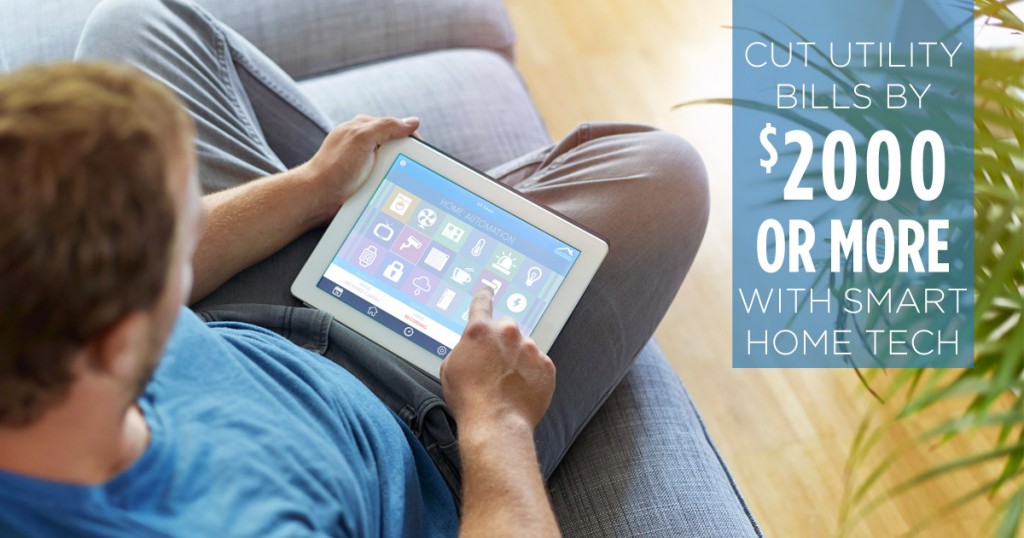
The ‘smart home’ is the new ‘internet of things’, or objects that can serve you better by communicating with each other or directly with you through apps on your smart phone. In the ideal version of the wired future, all of our appliances and gadgets talk to each other seamlessly.
What could living in a smart home look like? Picture something like this:
The lights in your bedroom slowly illuminate to quietly awaken you in the morning, replacing the typical blaring alarm. The aroma of fresh brewing coffee drifts in and stirs your senses. Once the lights are all the way up, the heating system kicks on, just in time to warm up your room so you’re not shocked once you crawl out from underneath the duvet.
When you step into the shower, it turns on automatically and remembers your preferred temperature and water pressure. And it will shut off right when you’re finished as it knows how long you take to bathe.
Once you’ve driven out of your garage, your home alarm system arms itself. And it will only unlock automatically when it “sees” and recognizes someone else from your family approaching through programmed in biometrics.
Do smart homes really work this way right now? Not exactly…while you may find some of these smart features in certain homes, we haven’t reached the point where every feature intuitively knows what you want and when you wanted. However, each year we’re getting closer and closer toward that shiny, idealized ‘Jetson’ future.
Here are some trends that we see for smart homes, many of which may also help you save money:
Smart Thermostats
Programmable thermostats that are synchronized with the clock have been around for decades. However, they’re often difficult to set and aren’t necessarily efficient; they simply turn on or off as programmed, whether or not you are there.
With the newer models, smart thermostats can be programmed to adjust the temperature when they sense you are present. And once you leave, they can kick back to standby mode so that you’re saving energy and money. Nest does all of this, and it also allows you to check your usage from your cell phone so that you can adjust the temperature remotely and save even more.
Smart Smoke Detectors
Having a working, effective smoke detector saves lives. But unfortunately, many of us still have those battery-run smoke detectors that make that annoying, piercing beep when their batteries are running low on power. And instead of replacing batteries right away, it’s often easier to pull them out and disable the detector (while risking our lives).
Many of the new smart smoke detectors, like the Birdi, monitor smoke, carbon dioxide, as well as air quality. With this new sensor technology, they know the difference between a real fire and burnt toast.
Smart Sprinkler Control
Weather in our area is predictably unpredictable. Often, especially during the summer months, we fall into a severe drought. But then we might have one season that brings extreme amounts of rain, like we did this past spring.
A smart sprinkler controller like Rachio Iro can not only help save you lots of money on your water bill but also help protect our precious resources.
Programmable by computer or smart phone, it can automatically adjust how often you water your lawn based on the season and the weather forecasts. You can also remotely adjust the settings through a mobile app.
Smart Solar Panels
You can put the sun to work for you by using solar technology to power your home. It’s green and renewable, and can save you money over the long term. A recent study conducted by the NC Clean Energy Technology Center determined that Austin customers who invested in a solar system saved an average of $66 per month during the first year that they owned the system.
With smart solar panels, you can program the technology to monitor their performance and even turn them off in case of a weather emergency or fire.
Smart Home Security Systems
Home monitoring has become much more sophisticated in recent years. With the old-style security systems, you had to call in contractors to wire your home with monitoring sensors.
With new smart technology, you can simply place a few smart devices in your home to monitor movement and sense whether doors and windows are closed or opened. Some systems include audio and video monitoring, as well as sirens to scare off intruders. You get real-time feedback on security breaches through an app. And, because you’re alerted as soon as the system senses an intruder, it’s more likely that they will be caught.
Canary is one popular all-in-one audio-video security system, complete with sirens and night vision.
Smart Locks
Go beyond the standard key locks, which can often be compromised by burglars. The new smart lock systems give you more control over those who can gain access to your home.
Some systems, like the Kwikset Kevo, include encrypted virtual keys that you can program for access for a limited amount of time—for example, allowing guests over for a weekend, or cleaning service in during a specific window of time.
Other door locking systems include biometric technology. The Ola smart lock allows you to program your lock to recognize your family member’s fingerprints. Other systems use facial recognition to greet you and unlock your door.
The new August smart lock integrates with Apple’s technology so you can ask Siri to open your door for you.
Smart lighting systems and light bulbs
A well-lit home feels warm and welcoming, and good lighting can instantly increase the value of your home.
However, annual lighting costs can account for up to 12% of your overall electric bill, or over $200 per year according to Energy Star. You can easily reduce this expense simply by using smart lighting technology to add efficiency.
The Philips Hue wifi-enabled lights make it easy to add to your home without installing specialized equipment. Smart lighting dimmers and sensors can give you more control over how much energy you use and allow you to turn them on and off through your smart phone.
New smart light bulbs can give you control over the warmth or coolness levels of your lighting. With the Lifx LED light bulbs, for example, you can program your light bulbs to turn on or off when you want, to slowly wake you up with increasing illumination, or to change from daytime work lighting to entertainment-friendly shades for parties.
Smart Appliances
Programmable slow cookers and coffee makers are the quaint, old-fashioned versions of these home conveniences. Newer, smart appliances give you more control over how your food is kept and prepared, and make it easier for you to complete pesky household chores.
- Newer coffee makers, like the Smarter coffee machine, let you ‘order’ your coffee exactly to your liking, adjusting everything from bean grind to temperature to strength to time that it’s ready to drink.
- Smart refrigeration technology can help you store your food at just the right temperature, adjusting the thermostat during peak usage times. For example, the LG THINQ fridgecan alert you via smart phone app if a door is accidentally left open.
- Smart ovens can ensure that your food is cooked to the right level of done-ness, and alert you when your meal is ready to eat. June, a new counter oven invented by former Google, Apple, Go-Pro and Path employees will give you even more control—it will contain cameras, thermometers, and other technology to ‘learn’ what you like to eat and make menu suggestions.
- Smart washers and dryers have customizable controls so that you can safely wash any type of fabric. Some units include controls to increase drying time to save energy. And soon, connected appliances from GE, Oster, Samsung, and other makers, will be able to re-order soap and fabric softener directly from Amazon, so you won’t even have to think about running to the store at the last minute.
Have you tested any of these technologies in your home? Did we miss any of your favorite home technologies? Let us know in the comments!