Drought-Friendly Landscaping in Colorado
Smart ideas for Denver, Boulder & the Front Range that save water, reduce maintenance, and keep your outdoor space enjoyable all season long.
Colorado summers are meant for backyard barbecues, evenings on the patio, kids playing outside, and enjoying the incredible scenery that makes living here so special. But if you’ve looked outside lately, you’ve probably noticed how quickly lawns are turning brown—and how frequently we’re hearing about drought conditions, watering restrictions, and wildfire concerns.
The good news? A beautiful yard doesn’t have to mean a perfectly green lawn.
In fact, many Colorado homeowners are discovering that using less water often creates outdoor spaces that are easier to maintain, more resilient during dry summers, and every bit as inviting. Whether you’re thinking about replacing part of your lawn, refreshing your landscaping, or simply looking for ways to conserve water without sacrificing curb appeal, there are plenty of options that fit the Colorado lifestyle.
Why More Colorado Homeowners Are Rethinking Their Lawns
Traditional Kentucky bluegrass lawns require a tremendous amount of irrigation during Colorado’s hot, dry summers. With ongoing drought conditions and varying watering restrictions throughout the Front Range, many homeowners are choosing landscapes that work with Colorado’s climate instead of against it.
Benefits include:
- Lower monthly water bills
- Less mowing and maintenance
- Healthier plants during hot summers
- Better drought tolerance
- Improved curb appeal year-round
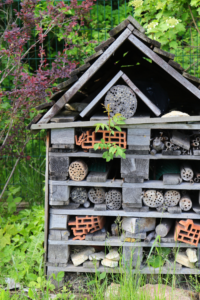
- Landscapes that support birds, bees, and butterflies
Instead of one large expanse of grass, many yards now combine colorful native plants, shade trees, decorative stone, mulch, seating areas, and small pockets of lawn where they’re actually used.
Think “Outdoor Living” Instead of “More Grass”
One of the biggest shifts in landscaping trends is focusing on how you actually use your yard.
Ask yourself:
- Where do we spend the most time?
- Do the kids need a place to play?
- Would we rather have a patio than more lawn?
- Could we add raised garden beds?
- Would a fire pit or outdoor dining area get more use than extra grass?
- Creating defined outdoor “rooms” often makes a yard feel larger while reducing the amount of thirsty turf.
Some popular Colorado upgrades include:
- Expanded patios
- Pergolas for shade
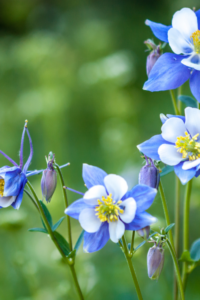
- Native flower gardens
- Gravel pathways
- Water-wise container gardens
- Outdoor kitchens
- Cozy seating areas
- Pollinator gardens
Great Alternatives to Traditional Grass
If you still want space for kids or pets, you don’t necessarily have to eliminate grass completely.
Some popular options include:
Keep a Smaller Lawn
Rather than watering your entire yard, reduce your lawn to the areas that actually get used.
Buffalo Grass
A Colorado favorite that requires significantly less water than traditional turf once established.
Fine Fescue Blends
These grasses tolerate drought better and typically require less maintenance.
Artificial Turf (In Select Areas)
Many families install artificial turf only in small play spaces or dog runs. While it’s not the right choice everywhere, it can reduce water use in high-traffic areas.
Natural Play Areas
Instead of grass, consider:
- Wood chip play zones
- Climbing boulders
- Log balance beams
- Sandbox areas
- Gravel play spaces
- Garden paths for exploring
Kids often enjoy these natural play environments even more than a traditional lawn.
Colorado Plants That Thrive With Less Water
One of the easiest ways to create a colorful landscape is by choosing plants adapted to Colorado’s climate.
Popular choices include:
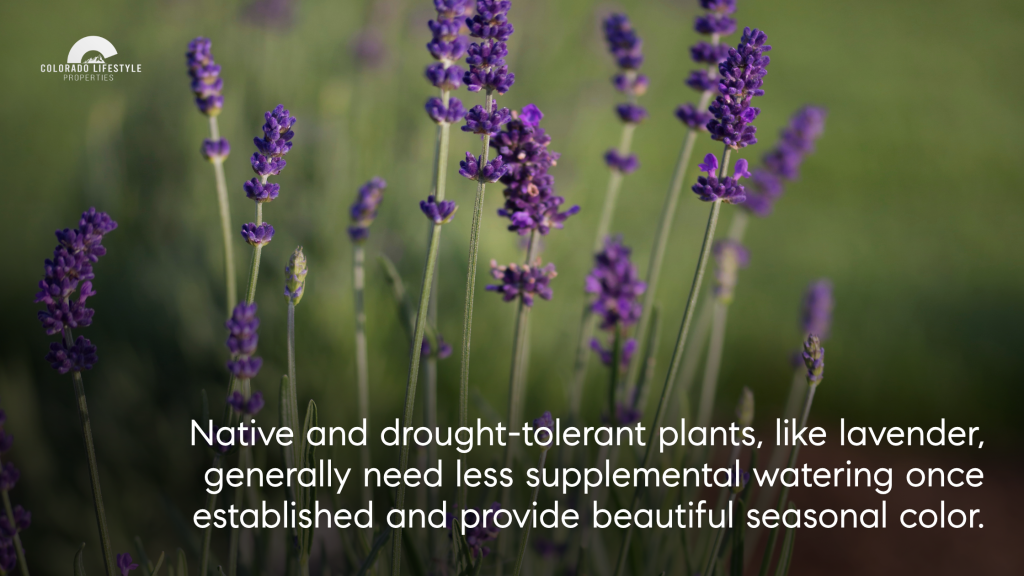
- Lavender
- Russian Sage
- Penstemon
- Blanket Flower
- Yarrow
- Blue Grama Grass
- Little Bluestem
- Serviceberry
- Rabbitbrush
- Rocky Mountain Penstemon
Native and drought-tolerant plants generally need less supplemental watering once established and provide beautiful seasonal color.
Water Smarter, Not More
If you’re keeping existing landscaping, small irrigation changes can make a big difference.
Consider:
- Watering early in the morning
- Using drip irrigation for garden beds
- Adding mulch around plants
- Checking sprinkler heads for leaks or overspray
- Watering deeply but less frequently
- Grouping plants with similar water needs together
Many Front Range communities also offer free irrigation evaluations and rebates for upgrading older sprinkler systems.
Mountain Living? Don’t Forget Wildfire Mitigation
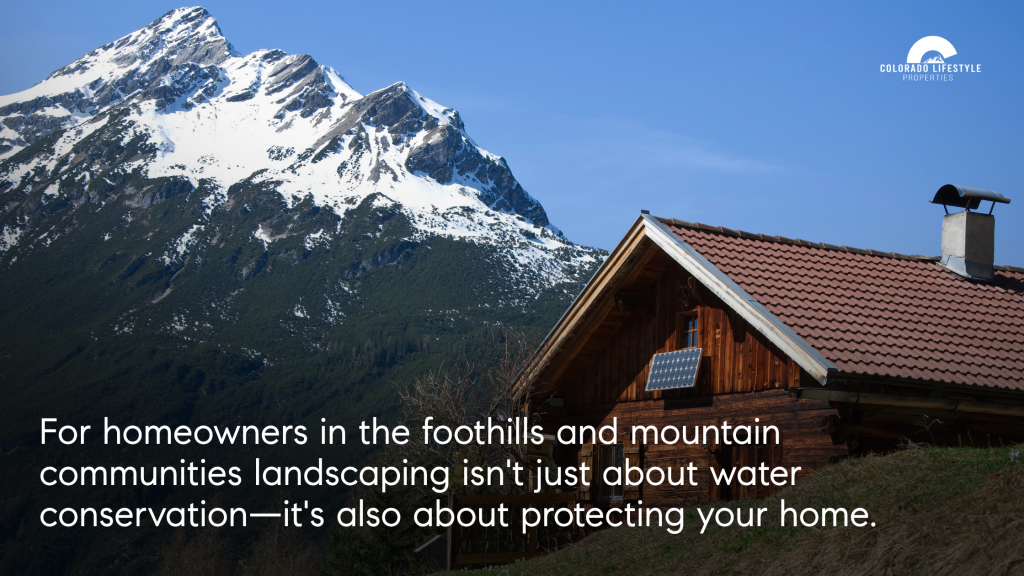
For homeowners in the foothills and mountain communities throughout Boulder County, landscaping isn’t just about water conservation—it’s also about protecting your home.
Creating defensible space around your property can help reduce wildfire risk while still maintaining a beautiful landscape.
Simple improvements include:
- Removing dead vegetation
- Keeping tree branches trimmed away from roofs
- Using rock mulch close to the home instead of combustible mulch
- Spacing shrubs appropriately
- Cleaning pine needles from decks and gutters
- Selecting fire-resistant plant varieties
Many mountain homeowners are finding that wildfire-wise landscaping naturally pairs with drought-tolerant design.
Check Your Local Watering Rules
Water restrictions vary depending on where you live, and schedules can change throughout the season.
Before adjusting your irrigation schedule, check with your local water provider for the latest watering guidelines and conservation resources.
Residents in communities throughout Boulder County, Denver, Broomfield, Louisville, Lafayette, Longmont, Erie, Westminster, Arvada, and surrounding areas may all have slightly different watering schedules or recommendations.
Trusted Local Professionals We Recommend
If you’re thinking about transforming your landscape, it helps to have experienced professionals who understand Colorado’s unique climate, soils, water restrictions, and design challenges. Over the years, we’ve had the opportunity to work with some fantastic local companies that we feel confident recommending.
For Landscape Design & Water-Wise Planting
Lyons Landscaping | 303-335-0622
Whether you’re looking to refresh existing beds, replace high-maintenance turf, or create a beautiful drought-tolerant landscape, the team at Lyons Landscaping has extensive experience designing outdoor spaces that thrive in Colorado’s climate. They can help you select plants, irrigation solutions, and layouts that balance beauty with water conservation.
For Custom Hardscapes & Outdoor Living
Stockscapes
Easton Stock | 303-520-5060
If you’re considering replacing portions of your lawn with patios, retaining walls, stone pathways, seating areas, or other custom hardscape features, Easton Stock of Stockscapes is an exceptional local craftsman. Thoughtful hardscaping can dramatically reduce water use while creating outdoor spaces that are both functional and beautiful—perfect for entertaining, relaxing, and enjoying Colorado’s incredible weather.
Whether you’re making a few small changes or planning a complete backyard transformation, working with professionals who understand Colorado landscapes can make the process much smoother.
Thinking About Investing in Your Outdoor Space?
Whether you’re planning to stay in your home for years or getting ready to sell, a thoughtfully designed, water-wise landscape can improve curb appeal, reduce ongoing maintenance, and become one of your favorite places to spend time.
If you’re wondering which landscaping improvements make the most sense for your home—or you’re looking for recommendations on trusted local professionals—we’re always happy to share our experience and connect you with people we know and trust.
Reach out to John and Karen anytime. We love helping homeowners make smart investments that enhance both their property value and their Colorado lifestyle.